(+86)0631-5986797

info@s1outdoor.com

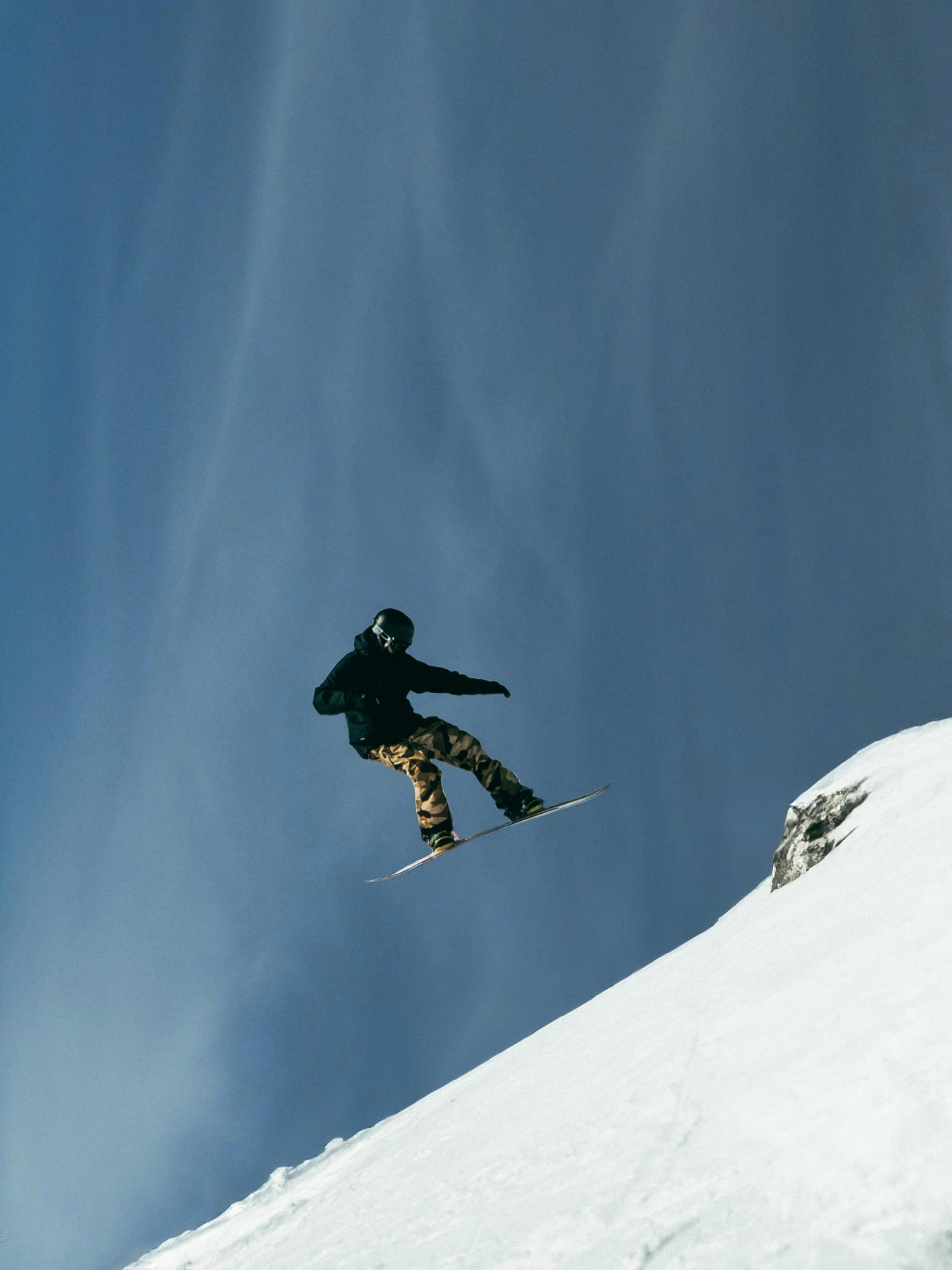
Pivot away from entry-level decks toward premium, highly durable snowboards.
Capitalize on Olympic momentum out of Livigno by stocking twin-tip geometries and high-impact cores.
Upgrade premium demo fleets to convert affluent destination travelers flying into the Rockies and the Alps.
Merchandise with multi-color graphic palettes and demand sustainable construction materials to meet strict EU mandates.
The global winter sports equipment market has entered a transformative era following the culmination of the 2026 Milano Cortina Winter Olympic Games. The highly visible convergence of elite athletic performance, advanced material engineering, and luxury fashion in Northern Italy has catalyzed significant shifts in consumer expectations across the globe.
The dedicated snowboard equipment segment, which generated $400 million in 2024, is forecast to expand to $599.25 million by 2032. However, capturing this growth requires shop operators to tightly align their inventory with specific regional climates and geographic trends.
The 2026 Winter Olympics served as the ultimate promotional vehicle for next-generation winter sports equipment.
The Freestyle Surge: In the snowboarding disciplines hosted in Livigno, Italy, the visibility of athletes performing highly technical maneuvers drives youth engagement and shapes retail demand for freestyle equipment.
Symmetrical Twin-Tips: Gold medal performances highlight the increasing global demand for symmetrical, twin-tip snowboards capable of handling massive impact forces.
The Procurement Strategy: For wholesale buyers and shop owners across both continents, stocking the retail equivalents of these podium-proven boards is essential for capturing the aspirational consumer demographic.
Unpredictable weather patterns and consecutive seasons of diminished natural snowpack in historically lucrative regions, such as the American West and the European Alps, have fundamentally altered the hardgoods landscape.
Market Restructuring: Specialty retail sales now account for only 30% of the overall equipment market volume, while standard rentals capture 30%, and the premium lease/demo category claims another 20%. Combined, the rental and demo channels now represent exactly half of the total market distribution.
The Trans-Atlantic Traveler: The industry is witnessing a contraction in overall participant volume coupled with a sharp concentration of highly affluent consumers. This modern consumer, who prefers not to travel with bulky gear to destination hubs like Colorado or the Swiss Alps, expects high-end technology.
The Retail Strategy: Operating a high-performance demo fleet is no longer a peripheral customer service offering for a ski shop; it is the primary engine for hardgoods revenue. The demo experience acts as a direct funnel for eventual high-ticket retail conversions.
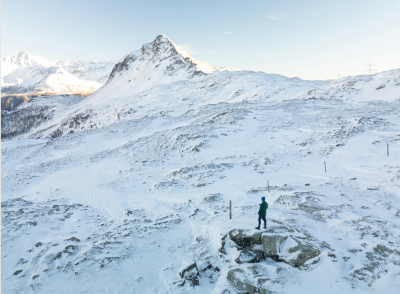
Environmental imperatives are rapidly transitioning from peripheral marketing buzzwords to non-negotiable purchasing criteria across all major geographic markets.
European Regulatory Pressures: The impending implementation of stricter EU regulations, such as the Ecodesign Directive, is forcing stringent compliance regarding product lifecycles and material transparency. This directly impacts European retailers and North American brands exporting abroad.
Material Baselines: For shop operators, demanding comprehensive life cycle assessment data from wholesale suppliers is critical. The reliance on FSC-certified wood cores, water-based printing inks, and recycled ABS sidewalls is rapidly becoming the industry baseline rather than an exception.
The dual-host format of Milano Cortina explicitly bridged the harsh alpine environment of the Dolomites with the global fashion epicenter of Milan. Consumers are seeking gear that functions flawlessly during mountain descents but features the styling demanded for slope-to-street transitions in resort towns.
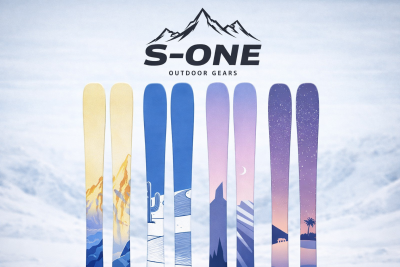
When merchandising premium snowboards, buyers must curate assortments featuring diverse, multi-colored graphics. Deliberately moving away from monochromatic layouts or walls of exclusively blue boards ensures you capture the modern visual aesthetic.
Charged Palette: Stock energetic, highly saturated tones designed to project optimism and ensure high visibility in adverse alpine conditions. These items will remain popular among younger terrain park riders.
Prized Palette: Balance the vibrant colors with rich, enduring earthy shades (deep browns, forest greens, ochre) that visually align with the sustainability and longevity movements.
By pivoting inventory away from obsolete trends and embracing these high-growth avenues, shop operators can secure robust profit margins. As your trusted manufacturing partner, S1 brings over a decade of Olympic-proven engineering to the table. Whether you are outfitting a high-end demo fleet in the Rockies or merchandising sustainable, multi-colored twin-tips in the Alps, S1 is committed to equipping your retail floor with the durable, high-performance hardgoods your most discerning consumers demand.