(+86)0631-5986797

info@s1outdoor.com
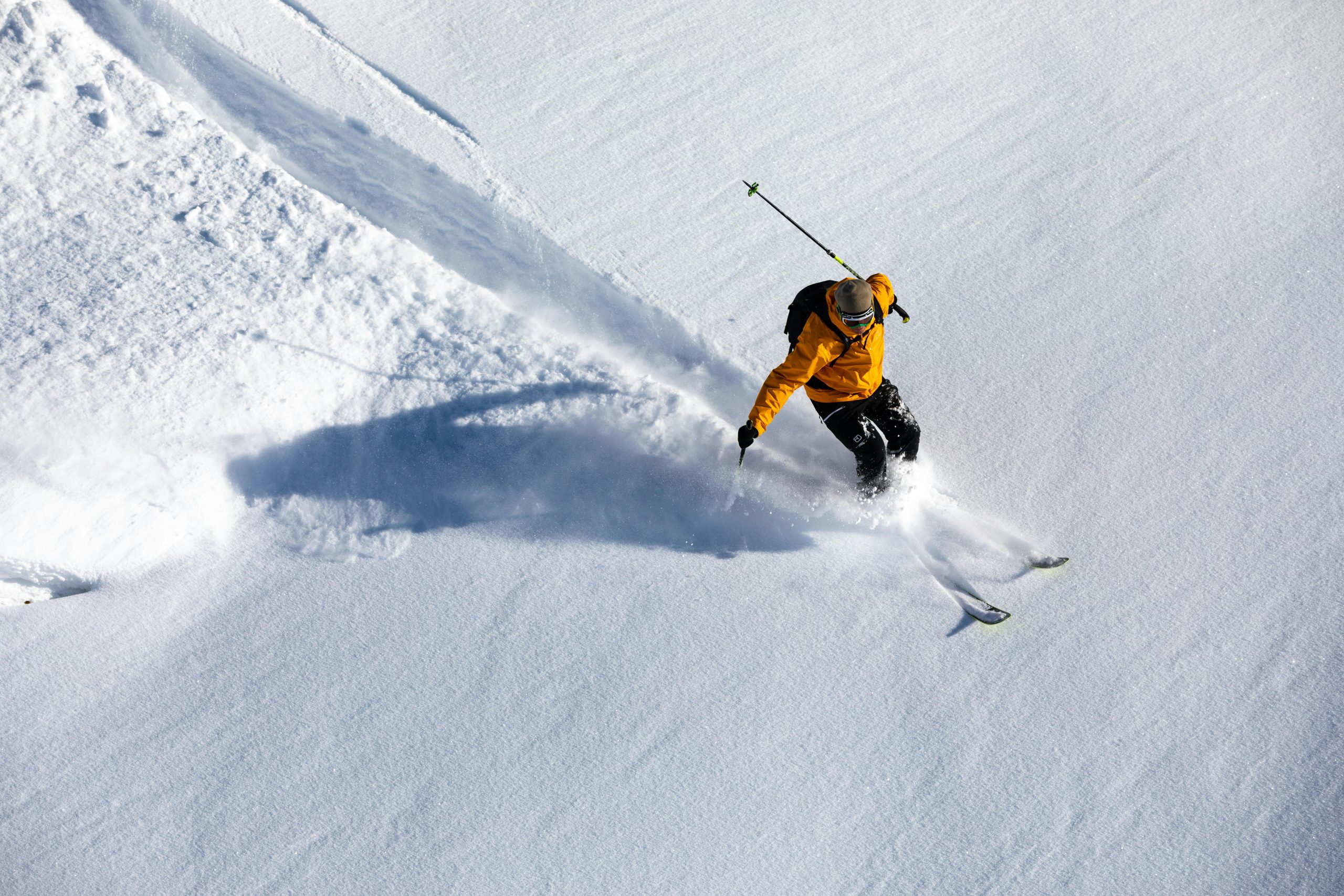
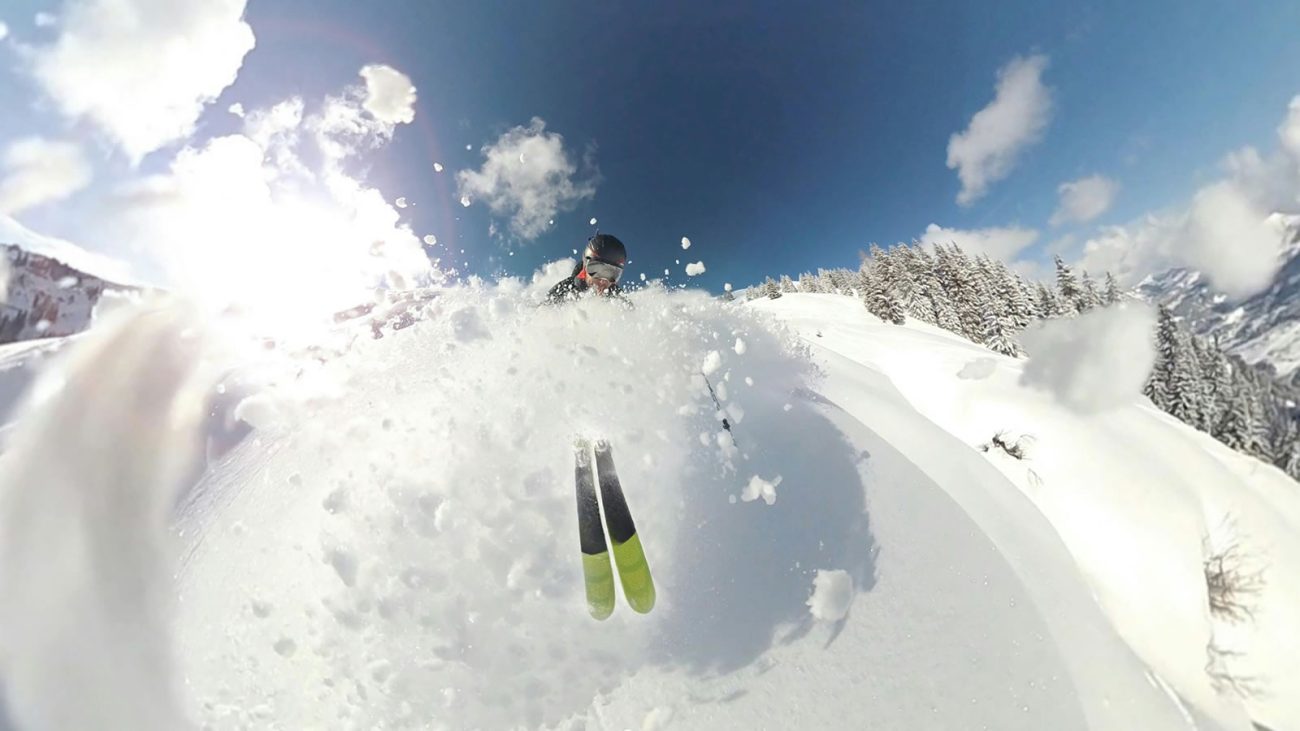
Spring snow changes the mountain.
By May, the fast, dry powder language of January has faded. Trails become softer by late morning, snow turns heavier, edge hold matters more on refrozen surfaces, and riders begin looking for equipment that feels stable during the strange daily rhythm of spring conditions.
For snowboard manufacturers, May is not the end of the season. It is one of the clearest testing windows of the year.
Late-season riding reveals which snowboard shapes, ski profiles, flex patterns, core constructions, and base materials still perform when the mountain behaves more like a weather laboratory than a postcard. Equipment that works in May usually works because it can stay calm while the snow changes every few hours.
This article looks at why spring riding matters, what skis and snowboards need in May, and why late-season snow often tells the truth more clearly than perfect winter powder.
Many riders ask the same questions every spring:
The answer depends less on the calendar and more on how the equipment handles frozen mornings, soft midday snow, and heavy afternoon slush.
Bridging your brand’s vision with reality: S1 Outdoor’s integrated manufacturing process ensures every snowboard meets professional standards.
Snow in May usually moves through three phases in a single day:
That means one snowboard or pair of skis may experience three different riding environments within a few hours. Spring conditions expose weaknesses quickly:
Winter can hide these issues under fresh powder. May does not. May is the mountain with the lights switched fully on 🔍
For snowboard manufacturers, that makes late-season testing especially useful because it shows whether a product can remain useful beyond peak winter.
When riders ask “ski or board in May?”, they are usually not trying to settle an old mountain rivalry.
They are really asking which setup feels more comfortable once the snow stops behaving like winter.
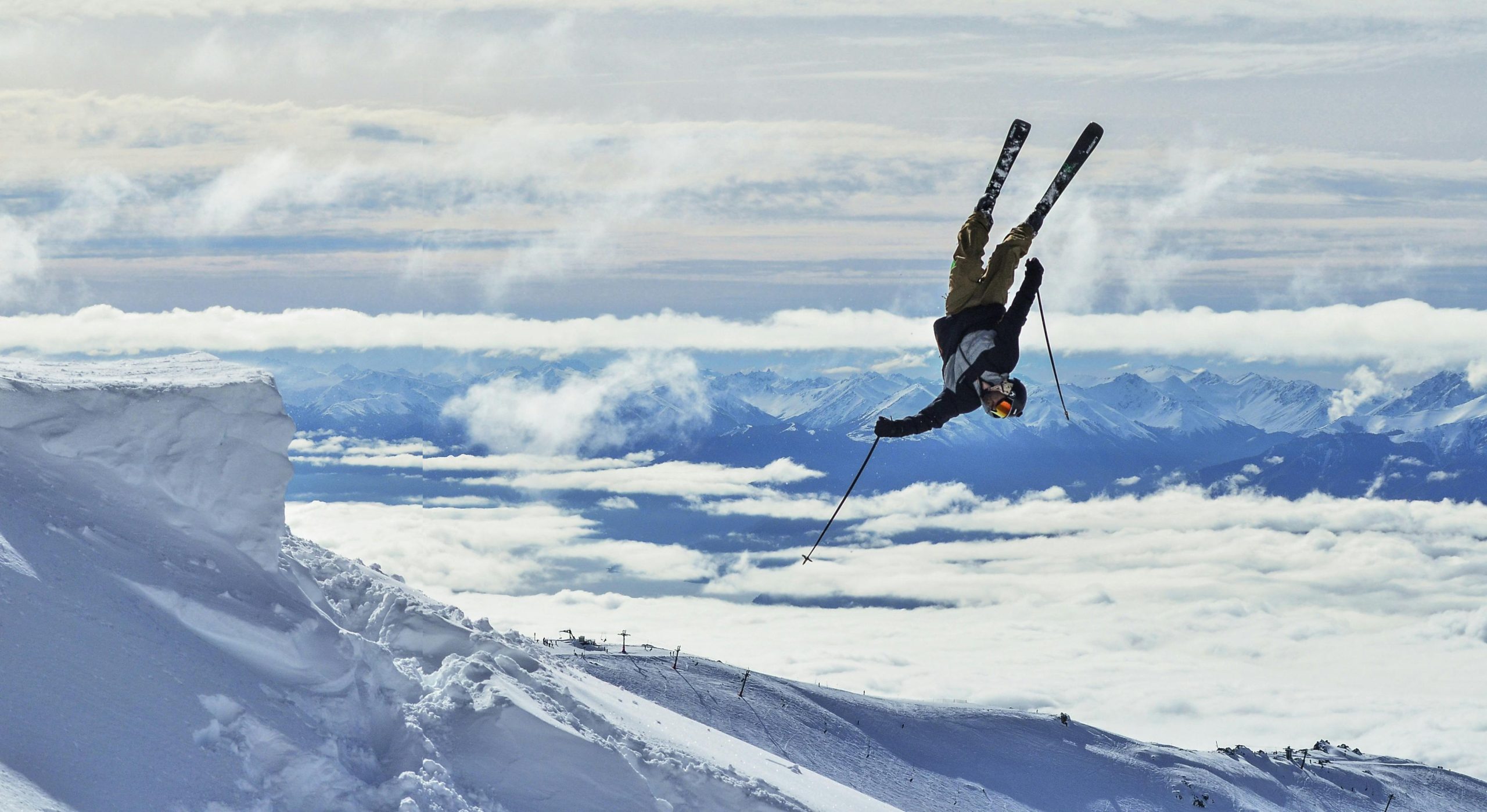
Skis often feel easier in late spring because they glide more smoothly across chopped-up snow, narrow sections, and afternoon slush. They tend to stay calmer when the terrain becomes uneven.
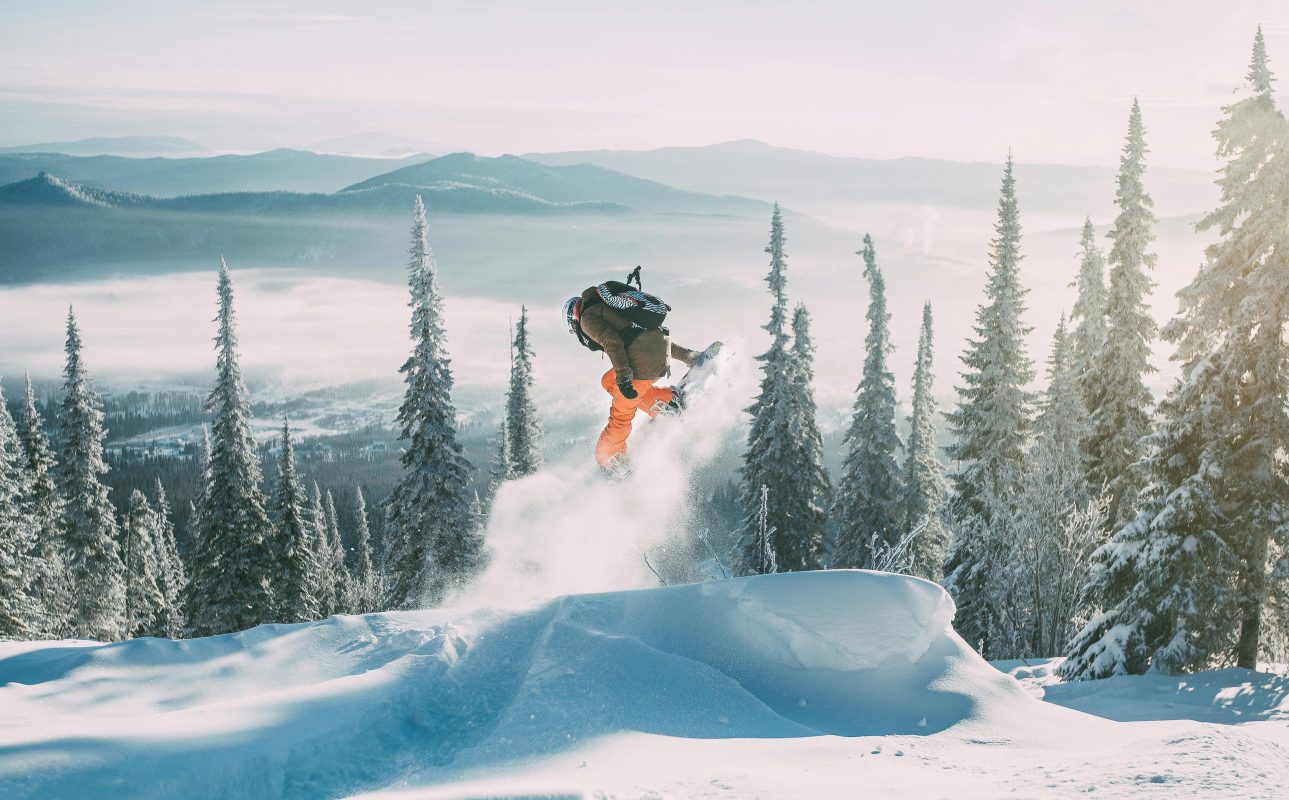
Snowboards, however, still have a clear advantage when the shape and construction match spring conditions. A good spring snowboard can feel planted in wet snow, predictable on frozen mornings, and lively once the mountain softens.
The snowboards that usually work best in May tend to share a few traits:
The skis that tend to work best in May usually have:
By May, most riders are not looking for the most specialized setup. They want something that can survive the entire day, from the crunchy first chair to the final run through sun-softened snow.
In January, a rider may talk about powder float or playful turns.
In May, the conversation becomes much more technical.
Spring riders pay attention to details that become impossible to ignore:
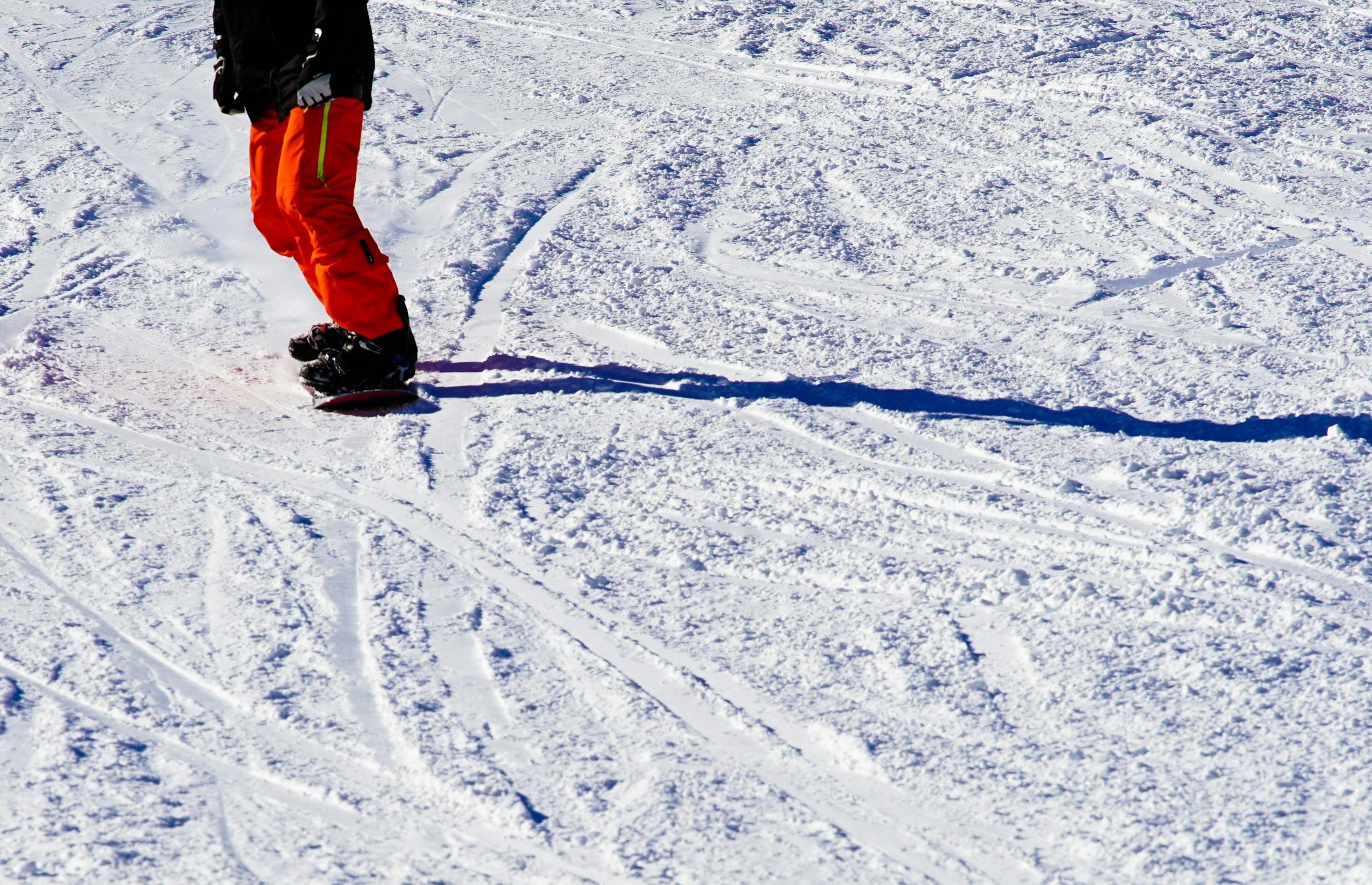
Wet snow creates suction between the board base and the surface. A slow base in May can make a snowboard feel like it is being pulled backward by an invisible swamp creature wearing ski boots.
For this reason, spring riders usually prefer:
A high-quality base becomes more noticeable in spring than in deep winter.
Late-season snow often contains frozen ruts in the morning and chopped, uneven piles in the afternoon.
A board with poor torsional control can feel unpredictable because the nose and tail react differently as the snow changes.
Riders usually respond better to boards that provide:
Morning conditions in May can feel almost icy. By noon, those same slopes may become soft and forgiving.
If edge geometry is too mild, the board slips during the morning. If it is too sharp or too aggressive, the board may feel tiring and overly reactive later.
The most versatile spring boards often use:
Spring riding creates more exposure to rocks, thin coverage, dirty snow, and repeated moisture changes.
Boards used in May experience a tougher environment than midwinter equipment.
Manufacturers increasingly pay attention to:
Precision CNC milling allows for customized flex patterns, a crucial structural element for all-mountain versatility.
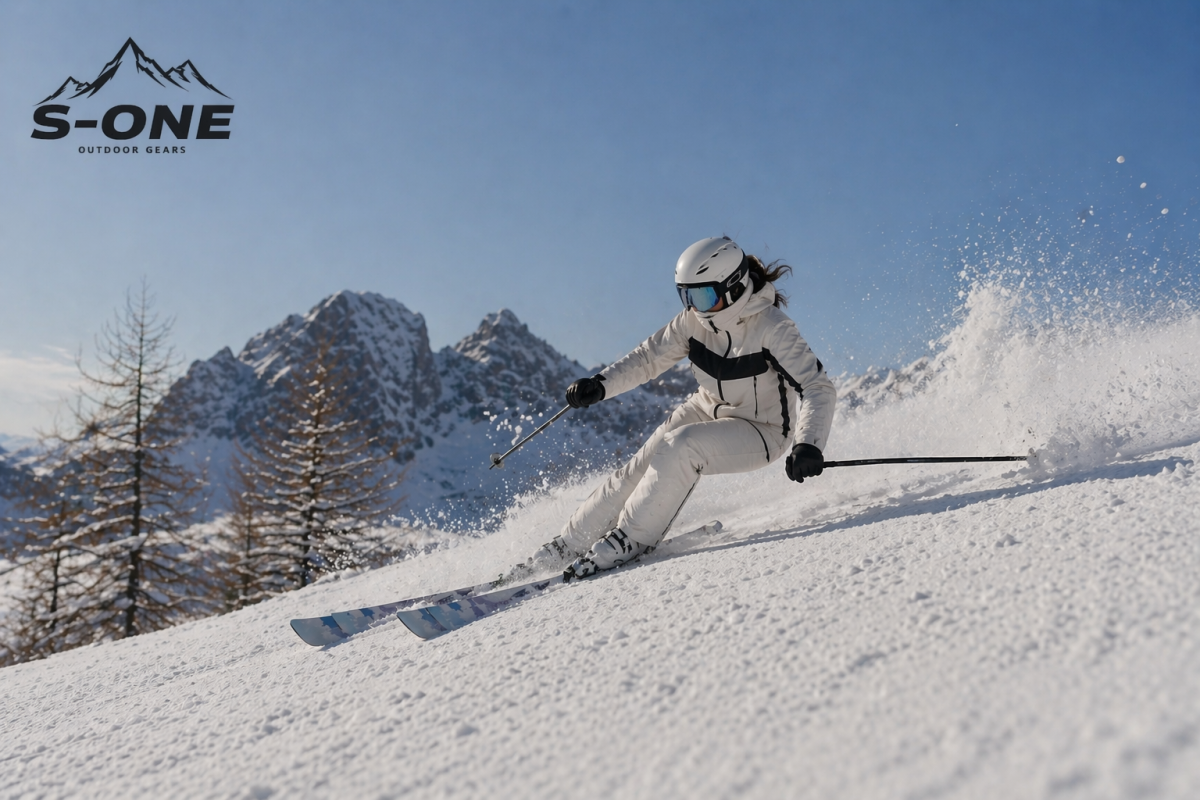
While snowboards need stability and glide in changing snow, skis face a different challenge. They need to move smoothly from icy morning groomers to soft afternoon slush without feeling nervous or sluggish.
The skis that riders keep returning to in late spring usually have:
Very narrow skis can feel harsh once the snow softens. Very wide powder skis can feel heavy and slow. In spring, the sweet spot usually lives somewhere in the middle, like finding the one patch of snow that still feels just right after the sun has been out for hours.
By late spring, certain shapes and flex patterns keep showing up again and again. Not because they are fashionable, but because they simply work when the mountain turns into a patchwork quilt of ice, corn snow, slush, and soft bumps.
Riders want one board that can survive a full day of changing conditions.
Directional all-mountain boards are increasingly popular because they:
These shapes often perform better in May than symmetrical freestyle-focused designs.
Ultra-soft boards can become unstable in heavy spring snow. Very stiff boards can feel harsh and difficult when the surface softens.
Many riders now prefer medium-flex boards because they work across a wider range of conditions.
This makes medium-flex construction one of the safest long-term directions for snowboard collections aimed at broad mountain use.
Consumers increasingly want products that can be used from early winter through late spring.
A board that still performs in May is easier to position as:
Longer season usability is no longer a side benefit. Riders increasingly expect it as part of the board itself.
Winter weather has become less predictable in many mountain regions.
Snow seasons now include:
Because of this, riders are beginning to evaluate snowboards differently.
They are no longer looking only for deep-powder performance or park-specific behavior. They want boards that remain dependable when conditions shift quickly.
The most successful snowboard products in the next few years will likely be the ones that:
In other words, the best May snowboard is often also the best everyday snowboard.
Late-season riding creates unusually clear feedback.
Teams that collect rider feedback in May often gain clearer product insight than they do during powder-heavy months.
Useful questions include:
Patterns from these answers can help guide:
May is not a quiet month for snowboard development. It is a stress test wrapped in sunshine and melting snow ☀️
Yes. In many mountain areas, May can still offer very good riding, especially in the morning. The best conditions usually arrive after an overnight freeze, before the snow becomes heavy later in the day.
A medium-flex, slightly directional snowboard with a faster base usually works best in spring slush. It helps the board stay stable, glide better in wet snow, and feel less tiring once the surface softens.
Often, yes. Skis usually move more easily through chopped-up snow and afternoon slush. Snowboards can still work extremely well, but they usually need the right shape, flex, and edge hold to stay comfortable all day.
Most riders prefer skis with moderate waist width, smooth turn initiation, and enough stiffness to stay steady on frozen morning snow. Very narrow skis can feel harsh, while very wide powder skis often feel sluggish in spring conditions.
Yes. May riding often means more rocks, thin coverage, dirty snow, and repeated freeze-thaw cycles. That is why durability, stronger sidewalls, and good base material become much more important in late season.
The question “ski or board in May?” is really a question about adaptability.
Late-season snow rewards products that can move confidently between frozen mornings, soft midday runs, and heavy afternoon terrain.
May is one of the clearest opportunities to understand what riders truly value when conditions are no longer perfect.
A strong spring snowboard is not simply a winter board used later in the calendar.
It is a product designed to remain fast, stable, durable, and enjoyable when the mountain changes character hour by hour.
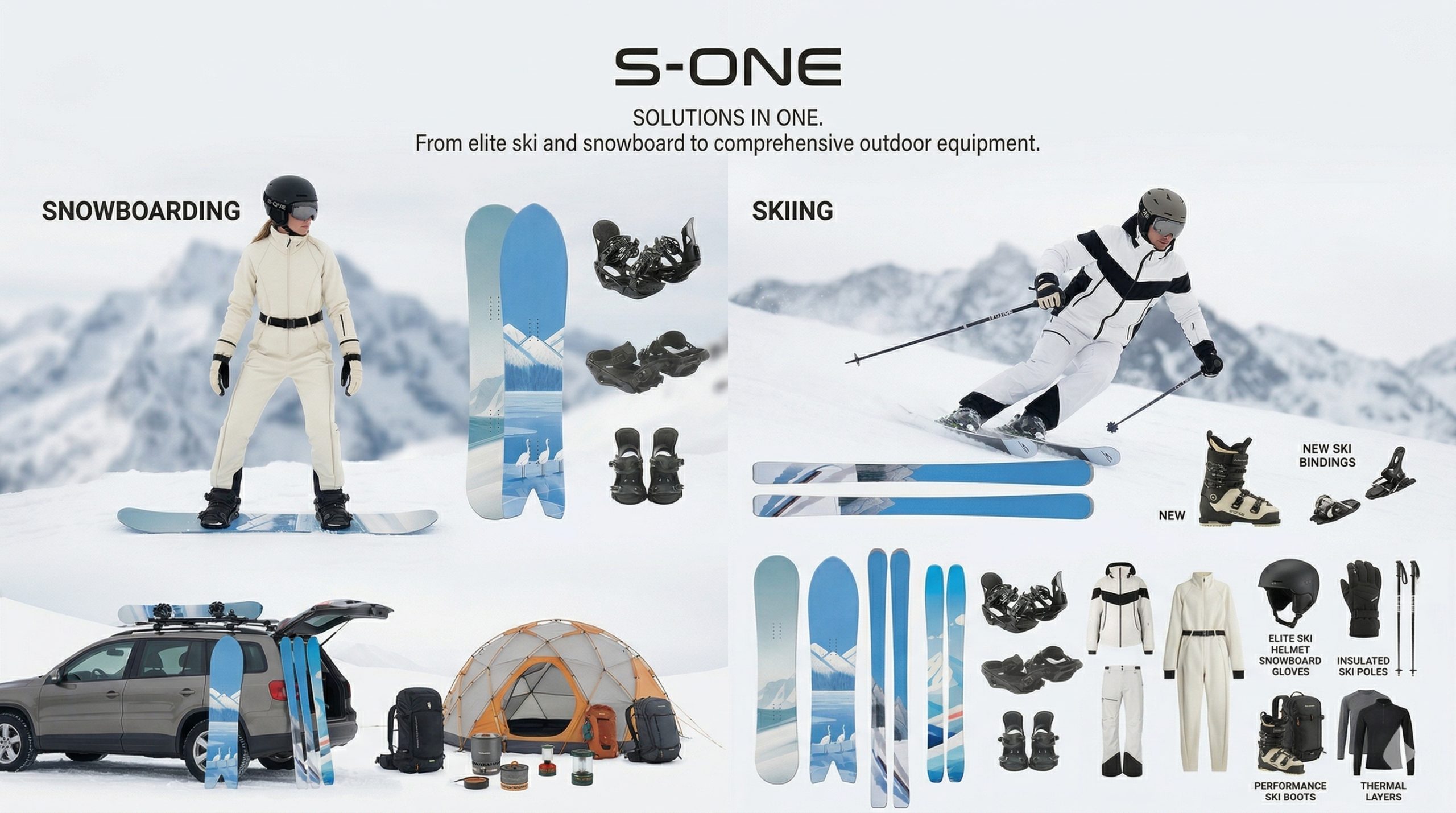
Your single destination for elite winter sports gear and comprehensive outdoor adventure equipment.