(+86)0631-5986797

info@s1outdoor.com

Online casino oyunlarında yüksek RTP oranları sunan bettilt kazandırıyor.
Bahis tutkunları için ideal bir ortam yaratan bettilt herkes için uygundur.
Kazancını artırmak isteyen oyuncular bettilt fırsatlarını değerlendiriyor.
Curacao Gaming Authority 2024 verilerine göre, lisanslı platformların yıllık denetim uyum oranı %98,6’dır; bu oran bettilt giriş için de geçerlidir.
Kullanıcı dostu yapısıyla her yaş grubuna hitap eden bettilt kolay kullanım sağlar.
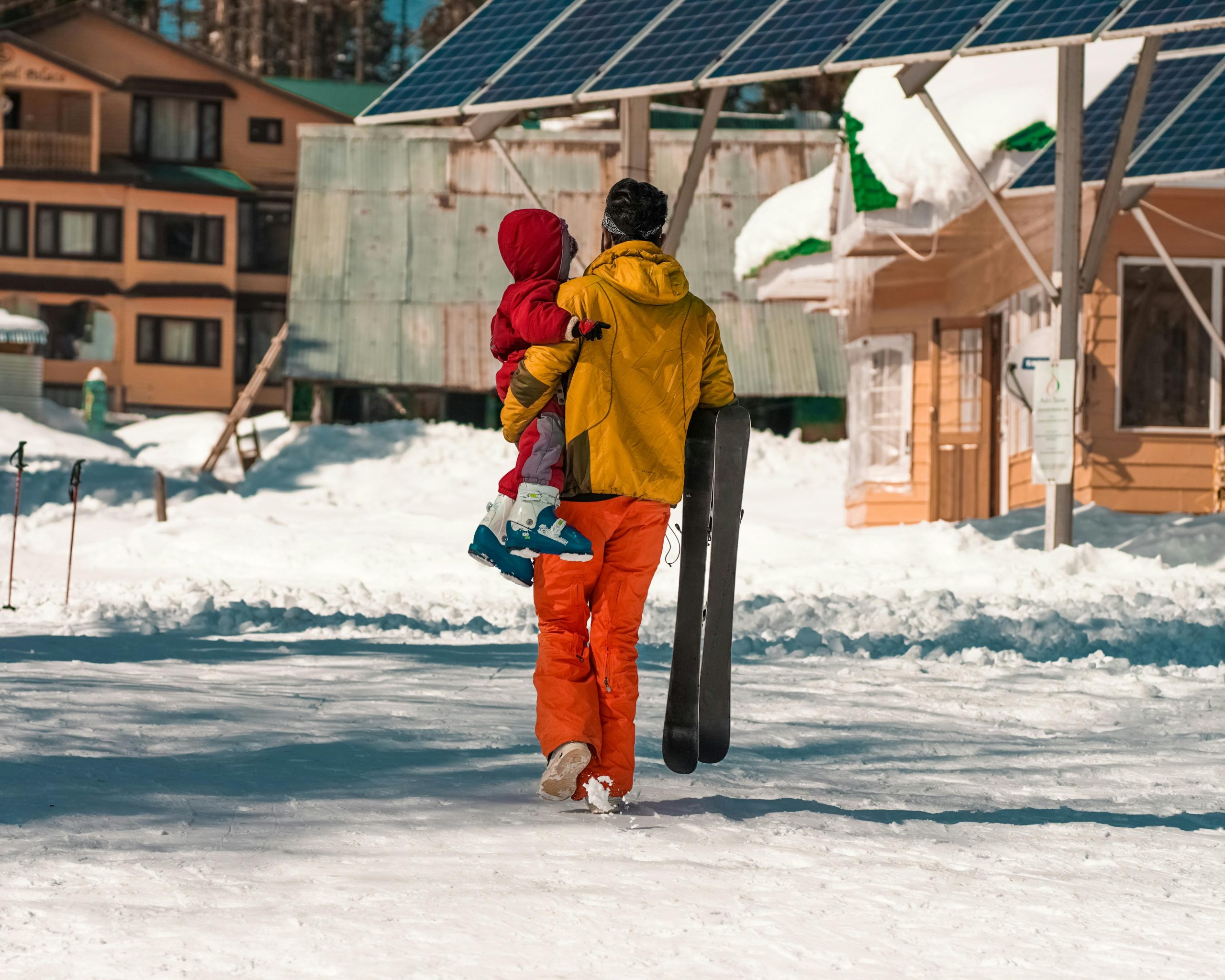
As winter sports participation grows, families represent a highly dynamic segment of the market. Outfitting a family for the mountain involves far more than simply scaling down adult equipment. It requires anticipating multi-generational pain points from rapid youth progression to the demand for parental convenience.
For brands and platforms curating winter sports collections, understanding the functional necessities of a family-focused product lineup is critical for driving satisfaction and loyalty.
When selecting gear for family units, decision-makers are primarily solving for three variables: skill disparity, physical growth, and setup friction. A strategically curated equipment assortment must address each of these directly.
The most common friction point for parents is investing in youth equipment that will be quickly outgrown or that hinders learning.
The Forgiving Profile: Youth boards and skis must prioritize a catch-free experience to build confidence. Collections should heavily feature flat or rocker-dominant profiles. These shapes lift the contact points off the snow, reducing the likelihood of edge-catching and accelerating the learning curve.
Sizing Durability: While sizing up is a common consumer instinct to extend the life of the gear, it severely impacts control. Assortments should focus on highly durable, entry-level constructions that maintain their structural integrity, ensuring they can be passed down to younger siblings once outgrown.
Soft Flex Patterns: Gear must be engineered with softer, forgiving flex ratings specifically calibrated for lighter body weights, allowing young riders to initiate turns with minimal physical force.
In a family setting, parents are often managing logistics, assisting children, and adapting to varying terrain throughout a single day. Their equipment needs to reflect this unpredictability.
The All-Mountain Imperative: Adults managing families rarely have the luxury of switching boards for different conditions. Hybrid camber profiles (camber underfoot with rockered tips and tails) are essential. They offer the stability and edge hold needed for icy groomers while providing enough float for softer snow.
Directional Twin Shapes: A directional twin setup allows for maximum versatility. It provides the forward-driving performance needed to chase kids down the mountain, while still offering the flexibility to ride switch when demonstrating techniques to beginners.
The logistical challenge of getting a family from the parking lot to the lift is a universal pain point. Equipment that reduces transition time is highly valued in the family market.
Intuitive Lacing Systems: Traditional laces are a barrier for younger riders with cold hands. Integrating BOA® Fit Systems or quick-pull lacing into boot assortments allows kids to adjust their own tension easily and enables parents to make rapid adjustments on the fly.
Accessible Binding Technologies: Step-on or rear-entry binding systems significantly reduce the time spent sitting in the snow. By eliminating the need to repeatedly strap in, these systems conserve energy and maximize actual riding time for the whole family.
When building out a commercial assortment targeted at families, ensure the following categories are optimized for their respective users:
| Target User | Primary Pain Point | Ideal Equipment Characteristics |
| Early Learners (Kids) | Fear of falling, rapid growth | Rocker profiles, ultra-soft flex, high-durability top sheets |
| Progressing Youth | Transitioning skills, independence | Flat-to-camber profiles, BOA boot systems, lightweight cores |
| Parents/Adults | Variable conditions, managing logistics | Hybrid all-mountain profiles, mid-stiff flex, step-in/easy-entry bindings |
Ultimately, a successful family snowsports collection isn’t just about the physical hardware; it is about delivering a seamless experience. By focusing product selection on forgiving geometries, all-mountain versatility, and user-friendly fastening systems, you provide the exact solutions required to keep families on the mountain longer.
At S-ONE, we understand that technical precision and thoughtful design are the foundations of gear that performs reliably for every generation.
Q:How should children’s snowboards be sized for optimal progression?
A: Avoid the urge to “size up.” Choose a board that reaches between the child’s chest and chin, featuring an ultra-soft flex and rocker profile for immediate control and safer learning.
Q:What are the essential features for youth snowboard boots?
A: Prioritize warmth and independent use. Dial-based fit systems (like BOA®) or intuitive speed-lacing allow kids to adjust boots with gloves on, saving transition time on the mountain.
Q:Which binding systems are most efficient for families?
A: Step-on or rear-entry systems drastically reduce time spent strapping in off the lift. If using traditional bindings, look for oversized, mitten-friendly ratchets.
Q:Why are hybrid camber profiles recommended for parents?
A: They offer maximum versatility. The camber underfoot provides necessary grip for slow-speed maneuvering with beginners, while rockered tips allow for stable, all-mountain riding.
Q:How does equipment weight impact the family experience?
A: Lighter gear means less physical fatigue. Equipment with lightweight wood cores reduces exertion for kids on the slopes and significantly lightens the carrying load for parents.