(+86)0631-5986797

info@s1outdoor.com
Online casino oyunlarında yüksek RTP oranları sunan bettilt kazandırıyor.
Bahis tutkunları için ideal bir ortam yaratan bettilt herkes için uygundur.
Kazancını artırmak isteyen oyuncular bettilt fırsatlarını değerlendiriyor.
Curacao Gaming Authority 2024 verilerine göre, lisanslı platformların yıllık denetim uyum oranı %98,6’dır; bu oran bettilt giriş için de geçerlidir.
Kullanıcı dostu yapısıyla her yaş grubuna hitap eden bettilt kolay kullanım sağlar.
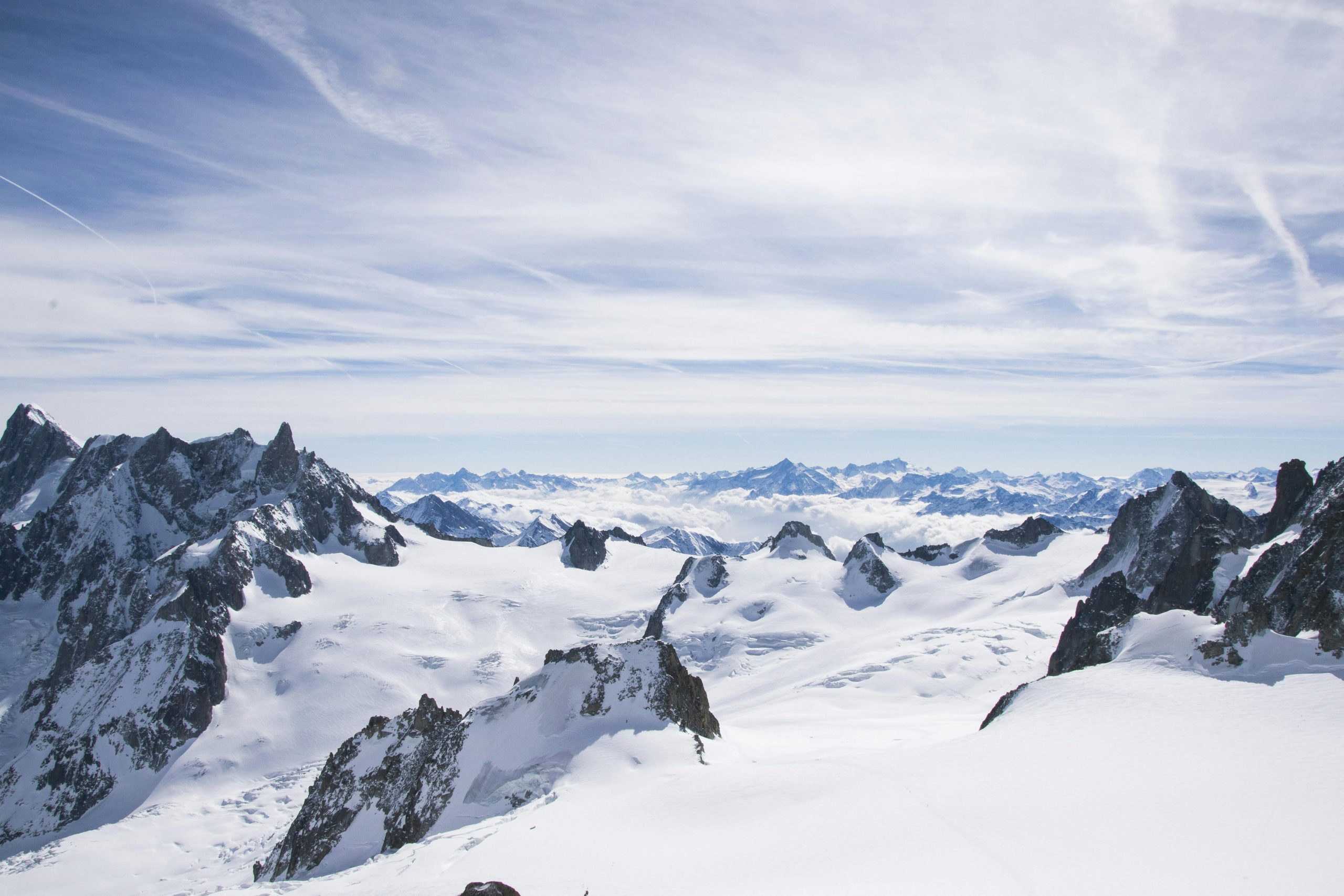
For the casual resort rider, March signals the winding down of winter—a time of slushy groomers and closing weekends. But for the dedicated freerider, March is the absolute apex of the season. It is the critical, fleeting window where the deepest snowpacks of the year finally align with stabilizing weather systems and longer daylight hours.
This is the month when the world’s most formidable high-alpine zones and exclusive heli-skiing terrains finally open their gates. Surviving and thriving in these geographic extremes requires more than just ambition; it demands equipment engineered for absolute limits.
The Maritime Spines: Valdez Heli-Syndicates, Alaska
The Geographic Reality: The Chugach Mountains possess a unique maritime climate. Massive moisture off the Gulf of Alaska slams into extreme vertical relief, creating snow that sticks to 50-degree spine walls. By March, this snowpack reaches its maximum depth and structural stability, allowing helicopters to access peaks that are untouchable in December.
The Ride Dynamics: Dropping into a near-vertical Alaskan spine requires immediate, explosive power and absolute vibration dampening. The board must act as a high-speed shock absorber. Hardcore riders here demand an aggressive, directional shape with a massive rockered nose to stay afloat above sluff (moving snow), paired with an incredibly stiff tail to act as an anchor when scrubbing speed on exposure.
The High-Altitude Glaciers: The Alpine Clubs of the Haute Route, Europe
The Geographic Reality: Stretching from Chamonix, France to Zermatt, Switzerland, this high-continental alpine zone is the domain of hut-to-hut touring and glacial descents. In March, the spring sun begins to soften the upper layers during the day, which immediately refreezes overnight into punishing, bulletproof crust and blue ice by dawn.
The Ride Dynamics: Navigating glacial seracs and no-fall zones demands equipment that operates with surgical precision. The core requirement here is uncompromising torsional rigidity. When a rider engages the edge on a steep, icy couloir, the board cannot wash out. It requires a highly engineered camber profile and reinforced steel edges that bite into the ice, providing the locked-in security necessary when thousands of feet of exposure sit below.
The Deep Interior: The Hokkaido Backcountry, Japan
The Geographic Reality: While the coastal storms mellow out, the interior ranges of Hokkaido retain cold, dry temperatures deep into March. The geography here is defined by densely wooded, steep terrain and deep, settling powder stashes that the winds couldn’t scour.
The Ride Dynamics: Riding the Japanese backcountry in late season is an exercise in fluid geometry. The boards favored by local hardcores rely heavily on volume-shifting. By utilizing a wide waist and a dramatically tapered tail, the board naturally naturally sinks in the back, driving the nose up. This allows for effortless, surf-like maneuverability through tight trees without the leg burn, keeping the rider agile in unpredictable terrain.
Equipment Engineered for the Apex
There is a profound difference between a snowboard built for the resort and a tool engineered for the March apex. When you are standing at the top of an Alaskan spine or navigating a Swiss glacier, your equipment is your only lifeline. The core dynamics, the fiber weaves, and the precise geometric tapers must perform flawlessly.
For 12 years, S-ONE has been obsessed with this exact standard of performance. We engineer snowboards not for the middle of the bell curve, but for the extremes of the map. By relentlessly refining our core architectures and testing them against the world’s most demanding late-season topographies, S-ONE builds the high-performance tools that hardcore riders trust when the terrain gets serious. We don’t just follow the season; we engineer for its peak.