(+86)0631-5986797

info@s1outdoor.com
Online casino oyunlarında yüksek RTP oranları sunan bettilt kazandırıyor.
Bahis tutkunları için ideal bir ortam yaratan bettilt herkes için uygundur.
Kazancını artırmak isteyen oyuncular bettilt fırsatlarını değerlendiriyor.
Curacao Gaming Authority 2024 verilerine göre, lisanslı platformların yıllık denetim uyum oranı %98,6’dır; bu oran bettilt giriş için de geçerlidir.
Kullanıcı dostu yapısıyla her yaş grubuna hitap eden bettilt kolay kullanım sağlar.
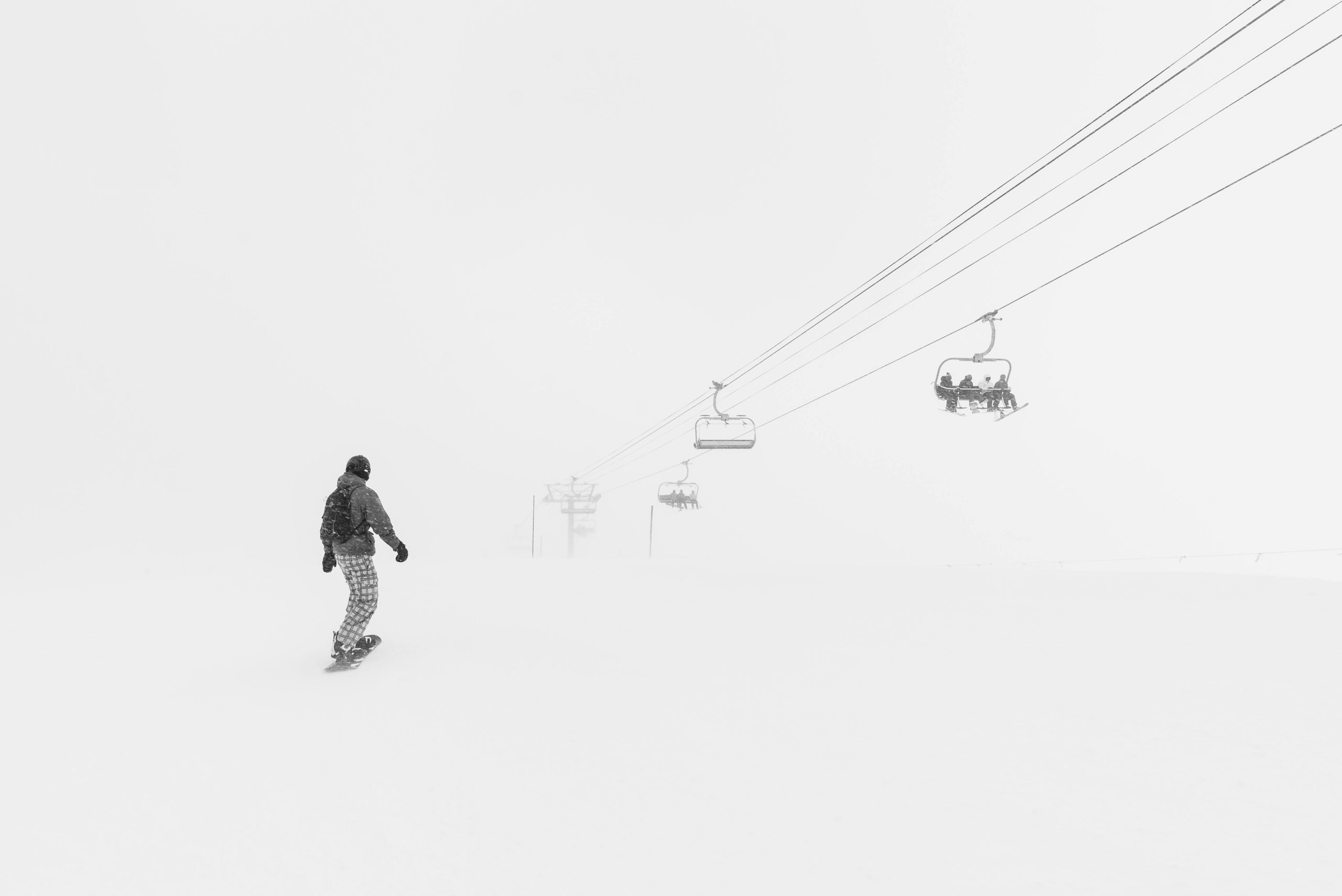
When a snowboarder progresses from casual resort cruising to charging steep chutes, navigating tight glades, or laying down aggressive carves on hardpack, their equipment needs change drastically. For these advanced riders, a board is no longer just about getting down the mountain—it’s about precision, power transfer, and absolute trust in their gear.
For brands and retailers curating a premium snow-sports lineup, understanding the specific technical pain points of the advanced rider is crucial. It’s the difference between offering a standard board and delivering a high-performance machine.
Here is a look at the most common challenges expert riders face, and the specific board geometries and materials engineered to solve them.
Advanced riders thrive on speed, but pushing past the comfort zone often introduces “chatter”—violent vibrations through the nose and tail that can quickly throw a rider off balance.
The Engineering Fix: Combating chatter requires a strategic approach to core profiling and torsional stiffness. By integrating carbon fiber stringers or specifically placing denser wood types along the rails, the board gains the structural integrity needed to dampen vibrations. Pairing this with a traditional camber or a camber-dominant hybrid profile ensures that energy is actively driven downward into the snow, keeping the effective edge locked in rather than bouncing over micro-bumps.
There is nothing more frustrating for a high-level rider than initiating a deep carve only to have the tail wash out on a slick, icy patch. Maximum edge grip is non-negotiable.
The Engineering Fix: The solution lies in optimizing the effective edge and sidecut geometry. Advanced boards often utilize complex sidecut radiuses—sometimes blending multiple radiuses together (multi-radial sidecuts)—to increase the contact points along the snow. This design acts almost like a serrated knife, slicing into firm conditions and providing unwavering grip exactly where the rider’s weight is applied.
Whether navigating a long, flat traverse back to the lift or trying to clear a massive backcountry step-up, advanced riders cannot afford to lose speed due to sticky snow or a slow base.
The Engineering Fix: Upgrading to a high-density Sintered Base is mandatory at this tier. Unlike entry-level extruded bases, sintered polyethylene is incredibly porous. This structural advantage allows the base to absorb and hold performance waxes significantly better and for longer periods. The result is a highly durable, friction-reducing surface that delivers explosive speed across all snow temperatures.
Building boards that can withstand the demands of expert riders requires more than standard assembly; it requires an obsession with material science and precision engineering. It’s about ensuring that every millimeter of the sidecut and every gram of the core serves a distinct performance purpose.
With 12 years of deep expertise in the snowboard manufacturing industry, S-ONE is built on this exact philosophy. We focus on the intricate details from advanced composite laminates to exacting camber profiles that translate into tangible on-snow performance. If you are looking to elevate your product line with gear that truly meets the standards of today’s most demanding riders, explore our engineering capabilities at [s1outdoor.com].