(+86)0631-5986797

info@s1outdoor.com

Online casino oyunlarında yüksek RTP oranları sunan bettilt kazandırıyor.
Bahis tutkunları için ideal bir ortam yaratan bettilt herkes için uygundur.
Kazancını artırmak isteyen oyuncular bettilt fırsatlarını değerlendiriyor.
Curacao Gaming Authority 2024 verilerine göre, lisanslı platformların yıllık denetim uyum oranı %98,6’dır; bu oran bettilt giriş için de geçerlidir.
Kullanıcı dostu yapısıyla her yaş grubuna hitap eden bettilt kolay kullanım sağlar.
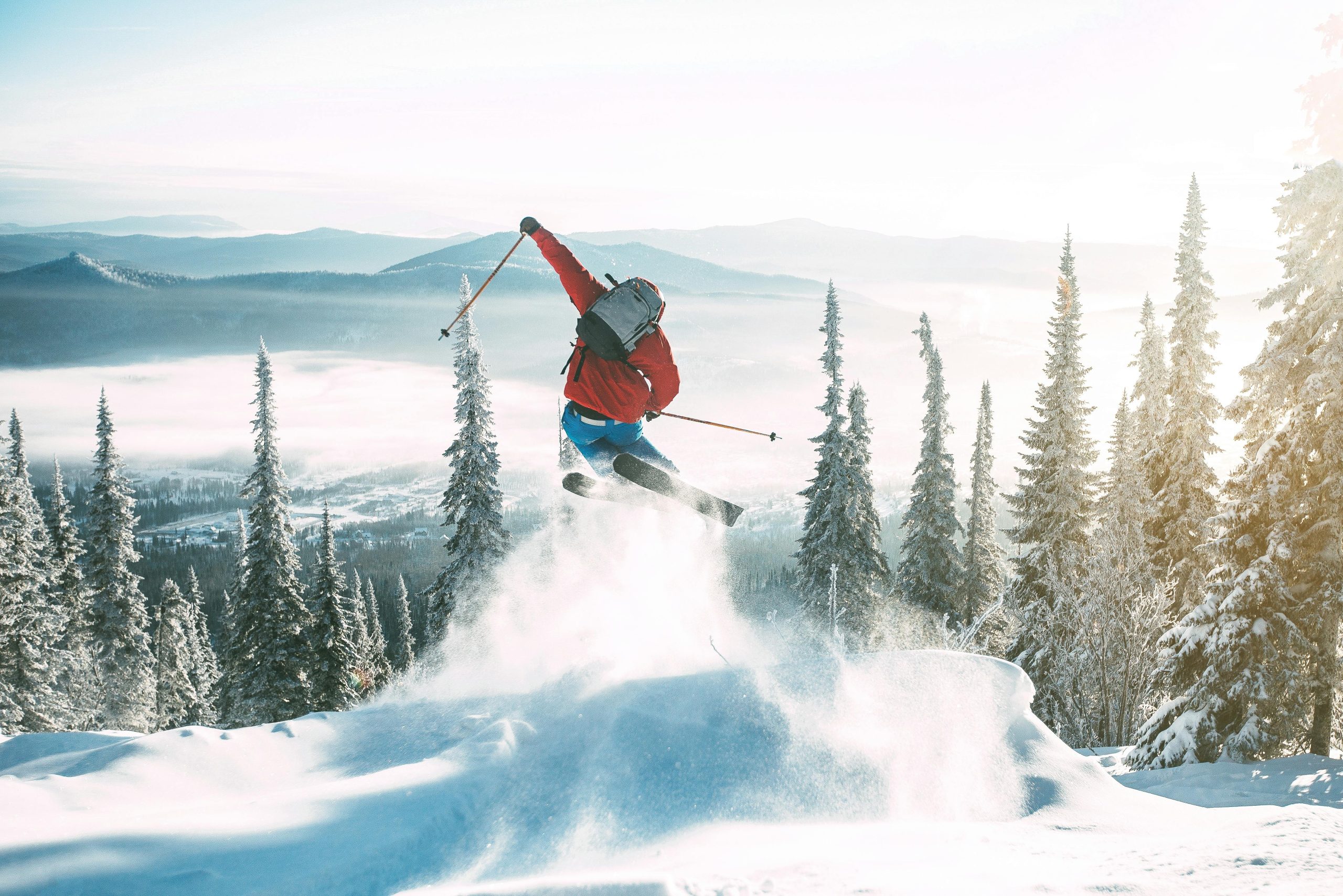
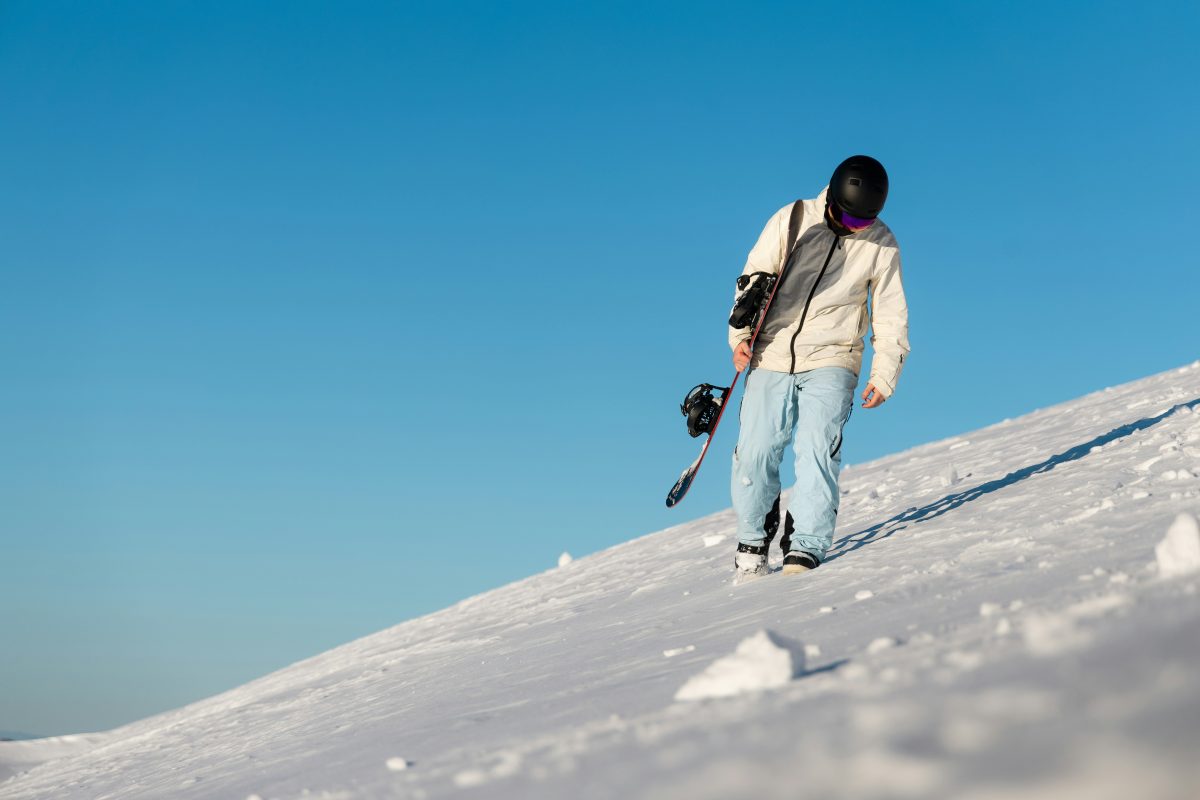
As the final lifts power down and the spring slush fades, the snow season officially comes to a close. For riders, it’s a time to clean, tune, and store their setups. But for snowboard designers and product developers, this is the most critical time of the year. The end of the season isn’t just a wrap-up; it is the ultimate stress test for winter sports equipment.
Taking a cue from how seasoned riders evaluate whether to repair or retire their gear, industry professionals must look at end-of-season wear and tear as a roadmap for innovation. If you want a product lineup that stands out on the mountain next winter, the secret isn’t just in bold new top-sheet graphics—it’s in the engineering and construction choices made today.
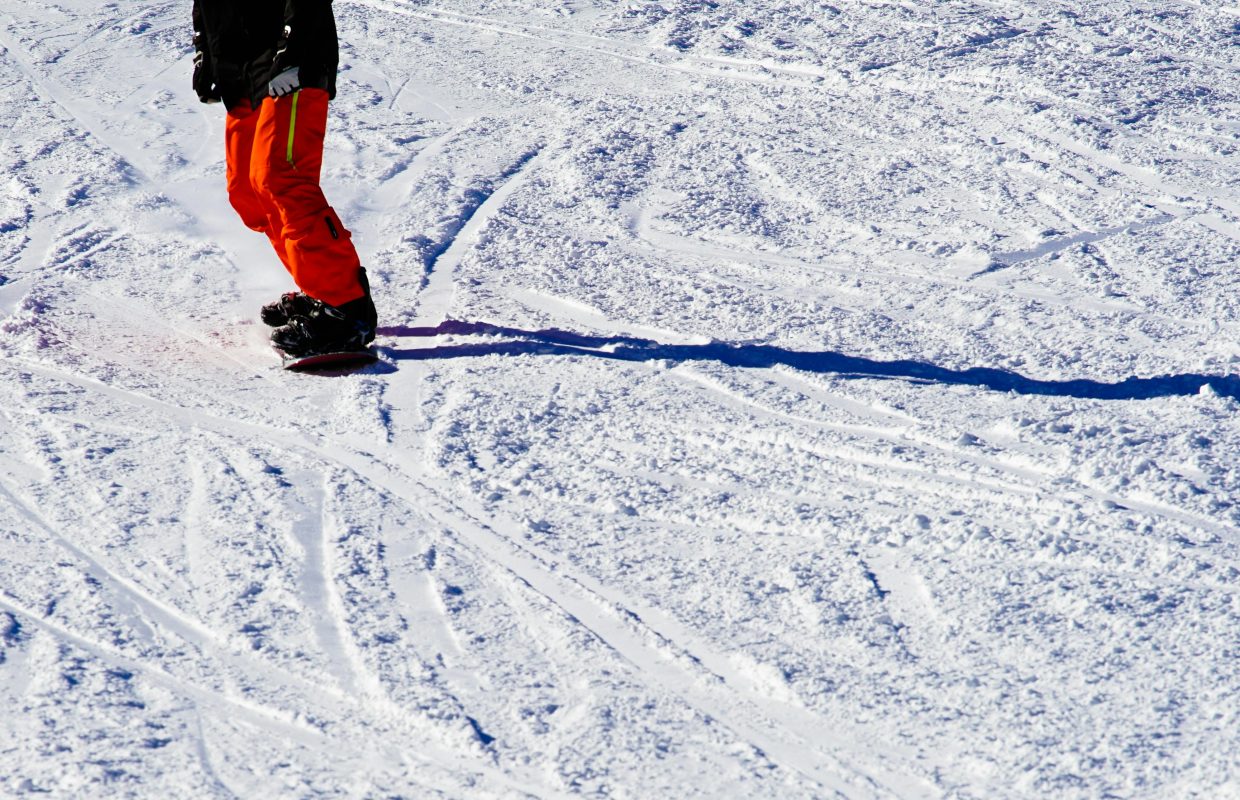
Every core shot, delaminated edge, and sluggish base tells a story of the mountain’s harsh conditions. When evaluating gear that didn’t survive a rigorous 100-day season, several key structural failure points consistently emerge:
Edge and Sidewall Blowouts: Impacts in the terrain park or rocky backcountry take a heavy toll on traditional sidewalls, often leading to micro-cracks and moisture intrusion.
Core Fatigue: Inferior wood cores or poorly laminated fiberglass layers lose their pop and responsiveness after months of heavy compression and sub-zero temperature fluctuations, leaving the board feeling “dead.”
Delamination: Weak epoxy bonds fail under the stress of aggressive carving and temperature shifts, causing the top sheet or base to separate from the core.
Understanding these structural pain points is the first step toward crafting a superior product for the upcoming catalog. The goal is to design a snowboard that doesn’t just ride well on day one, but performs flawlessly on day fifty and beyond.
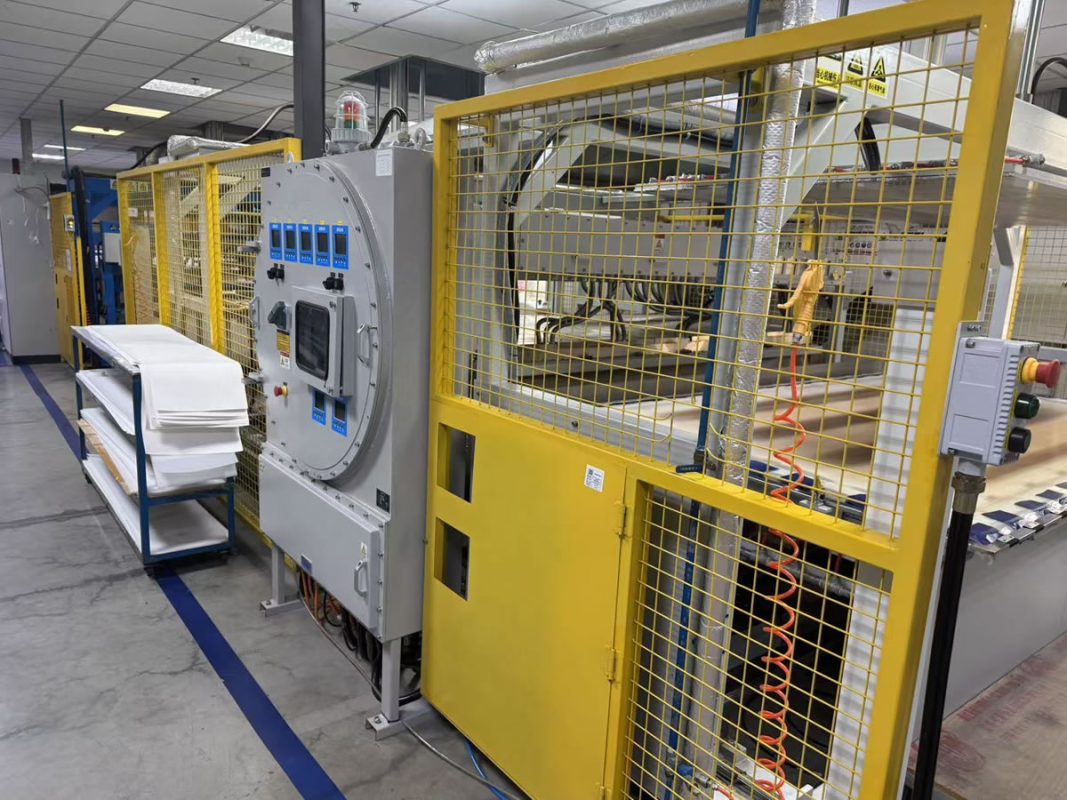
Building a board that outlasts the competition requires deep manufacturing intelligence. It’s not just about picking materials; it’s about how they are put together.
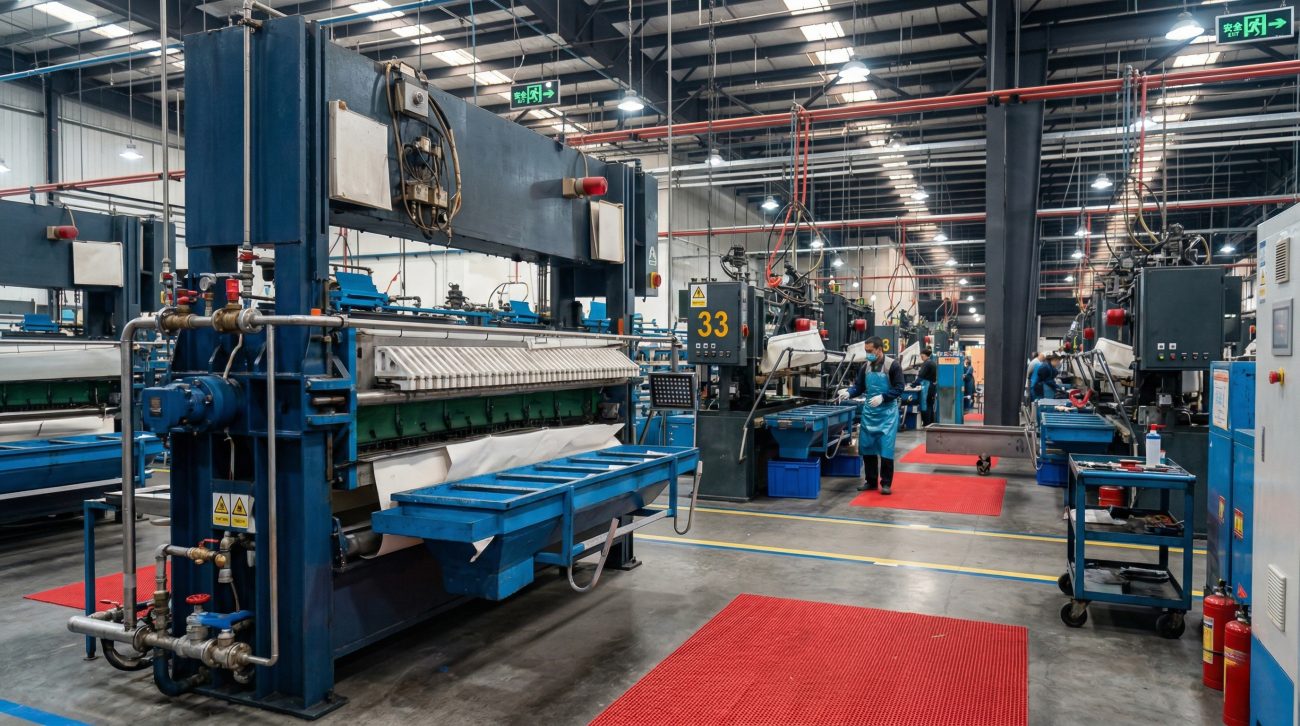
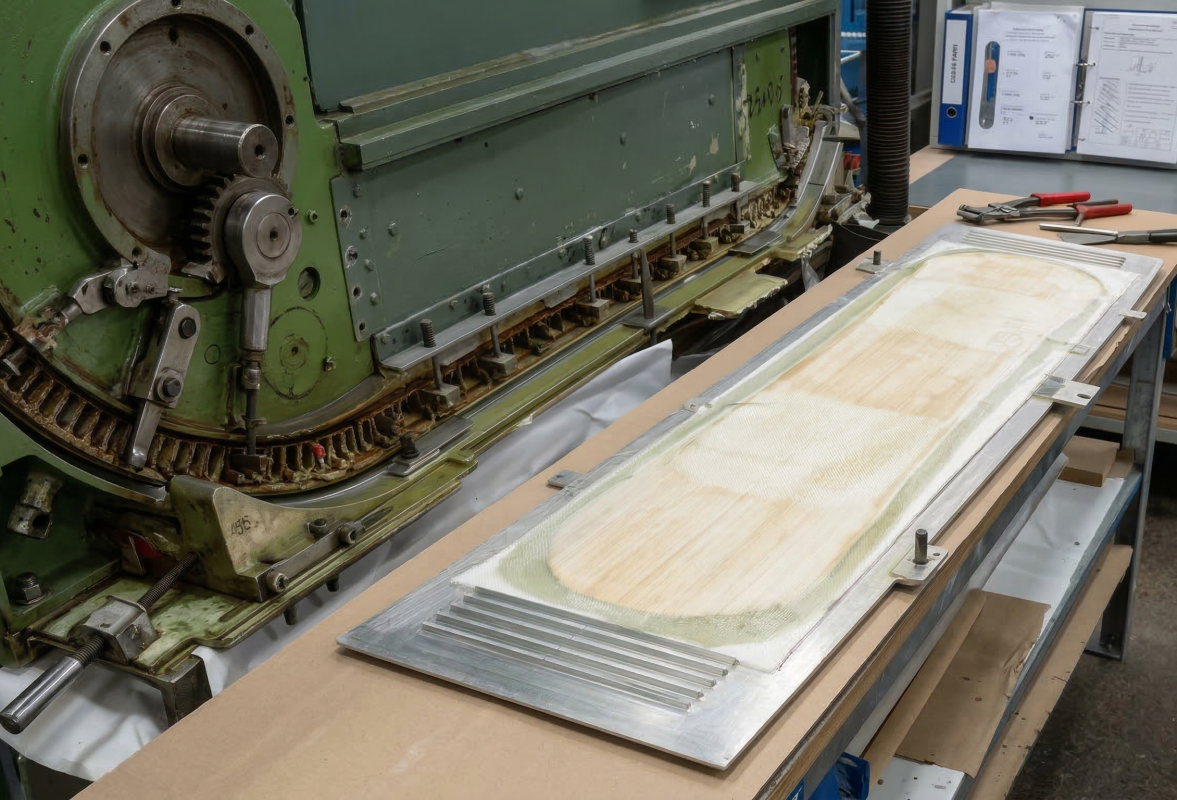
It takes precise calibration of epoxy resins, strategic placement of carbon or fiberglass stringers, and a rigorous, temperature-controlled pressing process. A team with 12 years of experience in snowboard manufacturing doesn’t just assemble layers; they engineer cohesive solutions. By understanding exactly how different components—from the wood core profile to the steel edges—expand, contract, and flex together in extreme environments, the production process can eliminate the micro-flaws that lead to mid-season gear failure.
The objective for the upcoming season shouldn’t merely be to release another snowboard; it should be to elevate the industry standard for longevity and performance. Modern riders are increasingly conscious of sustainability—and the most sustainable board is one that is built tough enough that it doesn’t need to be replaced every single year.
By focusing on premium core profiling, impact-resistant sidewall construction, and flawless lamination techniques, your next lineup will deliver unmatched value and reliability.
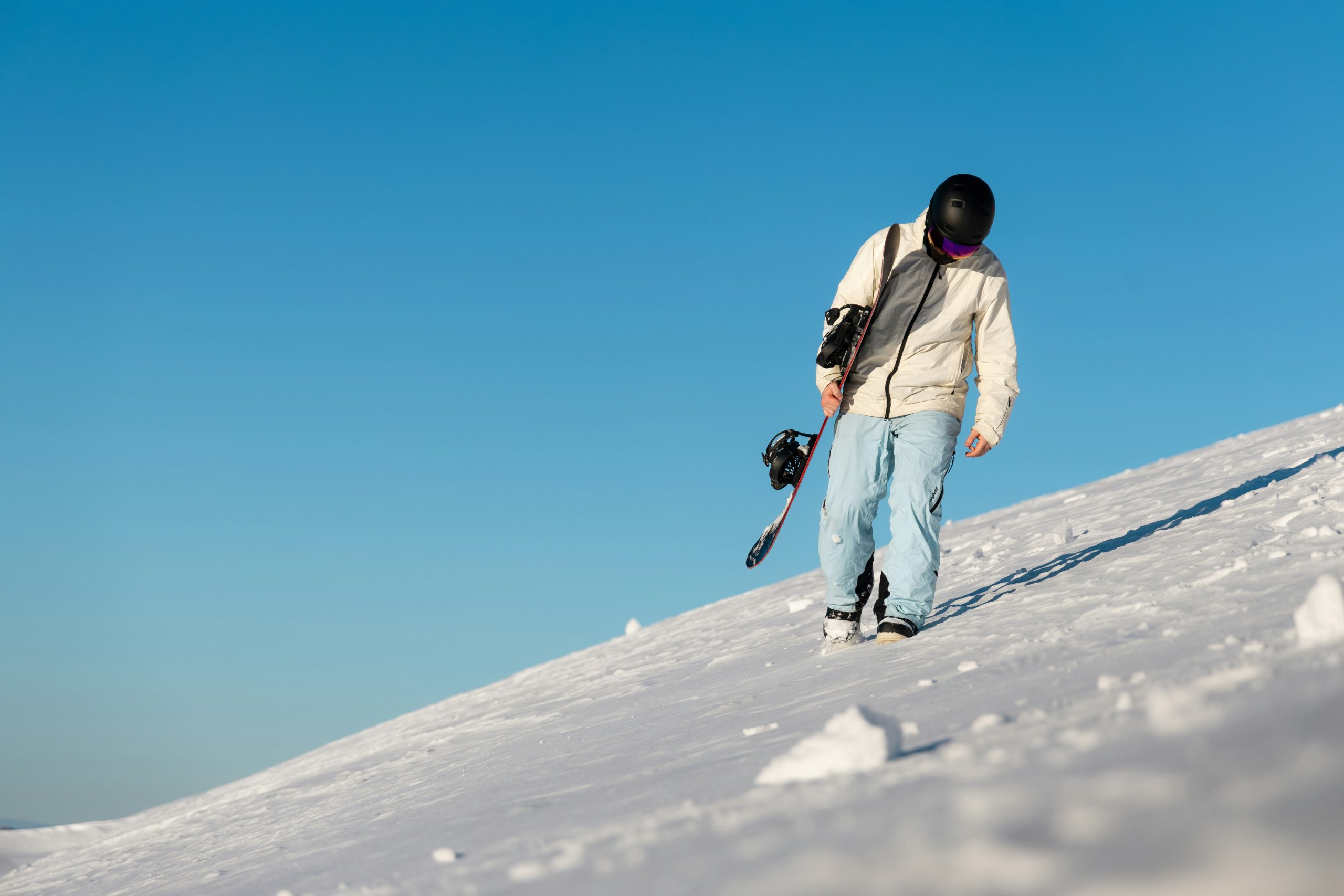
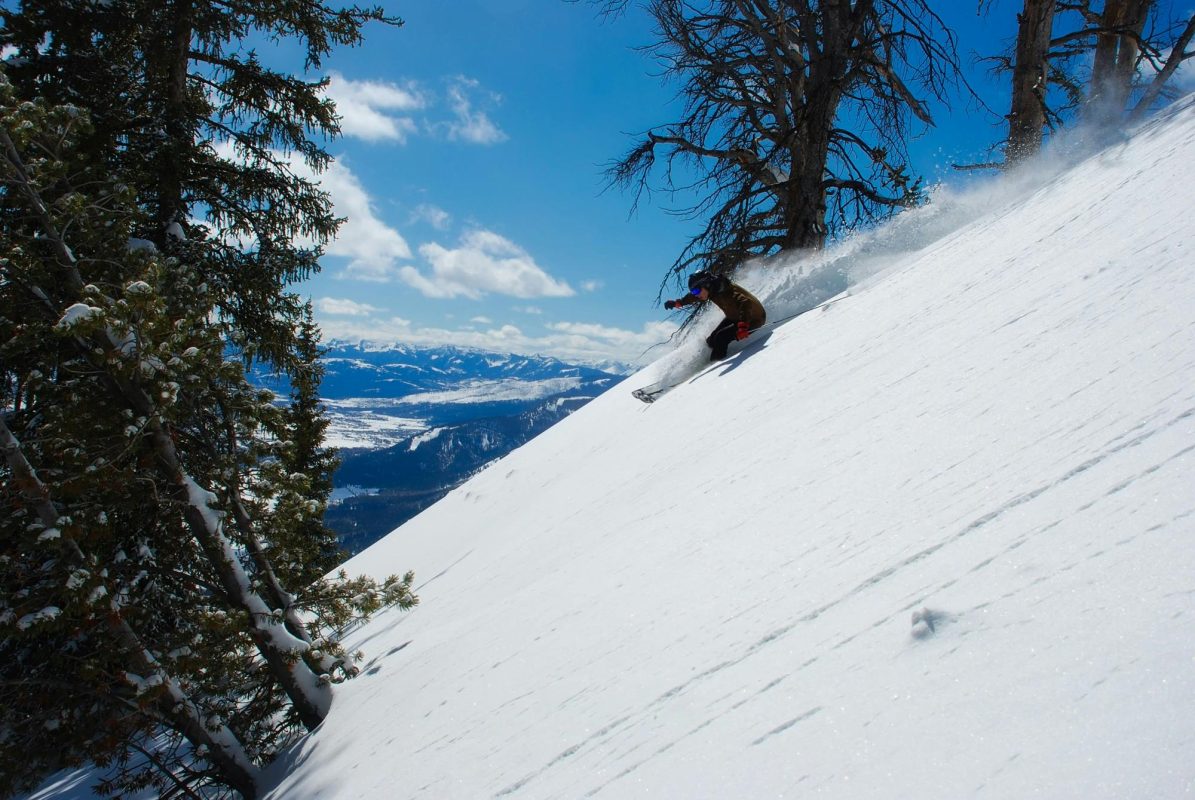
Precision-engineered snowboards designed for peak performance across diverse mountain terrains.
The work for the next snow season starts the moment this one ends.
At S1 Outdoor, our commitment to pushing the boundaries of snowboard construction and manufacturing excellence remains unwavering. As you plan your next production run, focus on the foundation of the ride. Build it stronger, engineer it smarter, and let the quality of the craftsmanship speak for itself when the first snow falls next winter.