(+86)0631-5986797

info@s1outdoor.com
Online casino oyunlarında yüksek RTP oranları sunan bettilt kazandırıyor.
Bahis tutkunları için ideal bir ortam yaratan bettilt herkes için uygundur.
Kazancını artırmak isteyen oyuncular bettilt fırsatlarını değerlendiriyor.
Curacao Gaming Authority 2024 verilerine göre, lisanslı platformların yıllık denetim uyum oranı %98,6’dır; bu oran bettilt giriş için de geçerlidir.
Kullanıcı dostu yapısıyla her yaş grubuna hitap eden bettilt kolay kullanım sağlar.
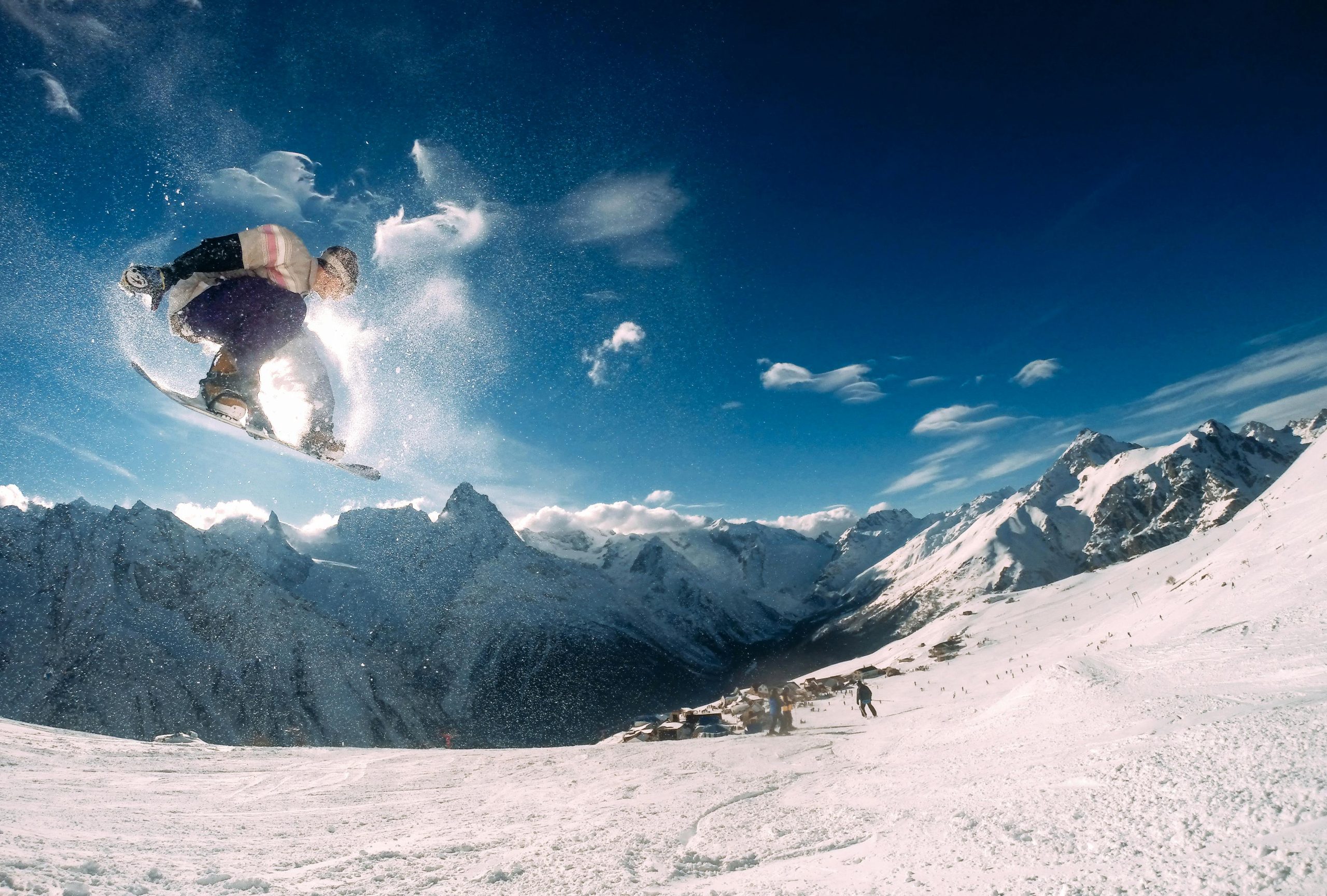
The transition from intermediate to advanced riding is often hindered by gear that limits skill development.
Upgrading to specific hybrid camber profiles significantly reduces edge-catching during transition phases.
Advanced vibration dampening and targeted core profiling are essential for maintaining stability at higher speeds and in variable conditions.
Curating a snowboard lineup that directly addresses these progression hurdles is key to building rider confidence and loyalty.
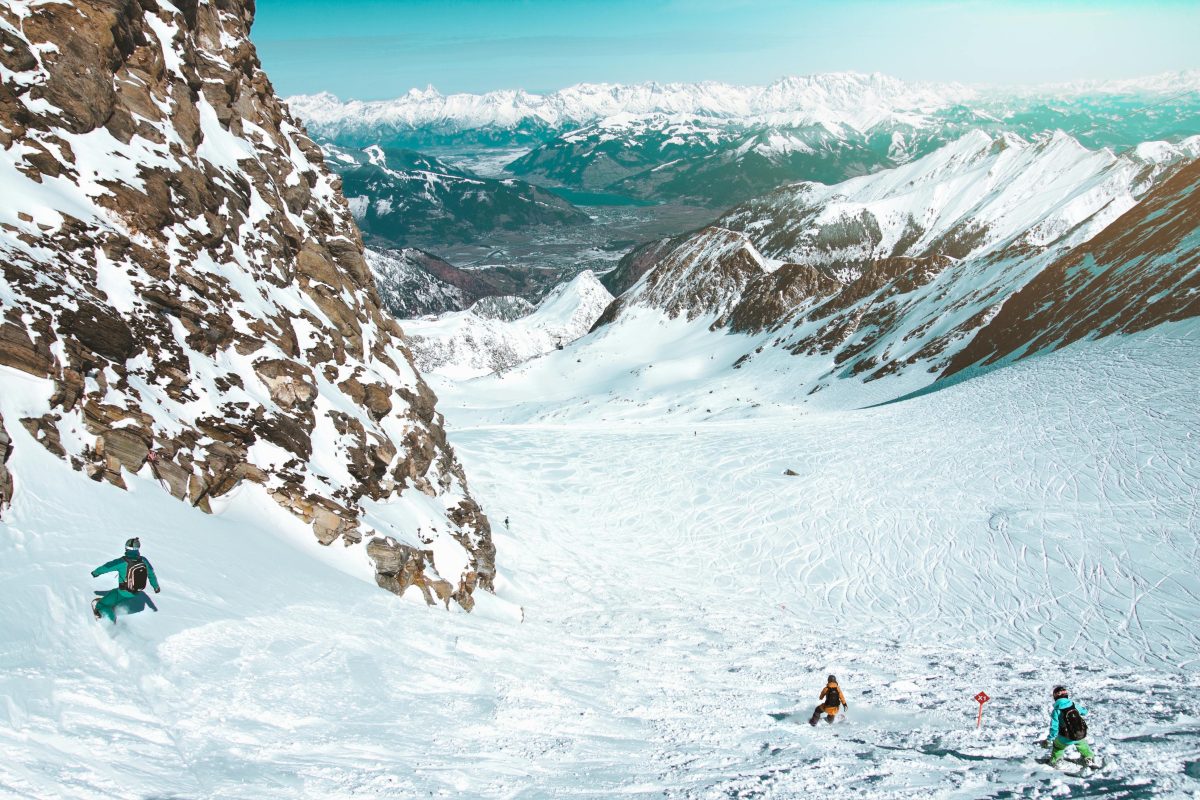
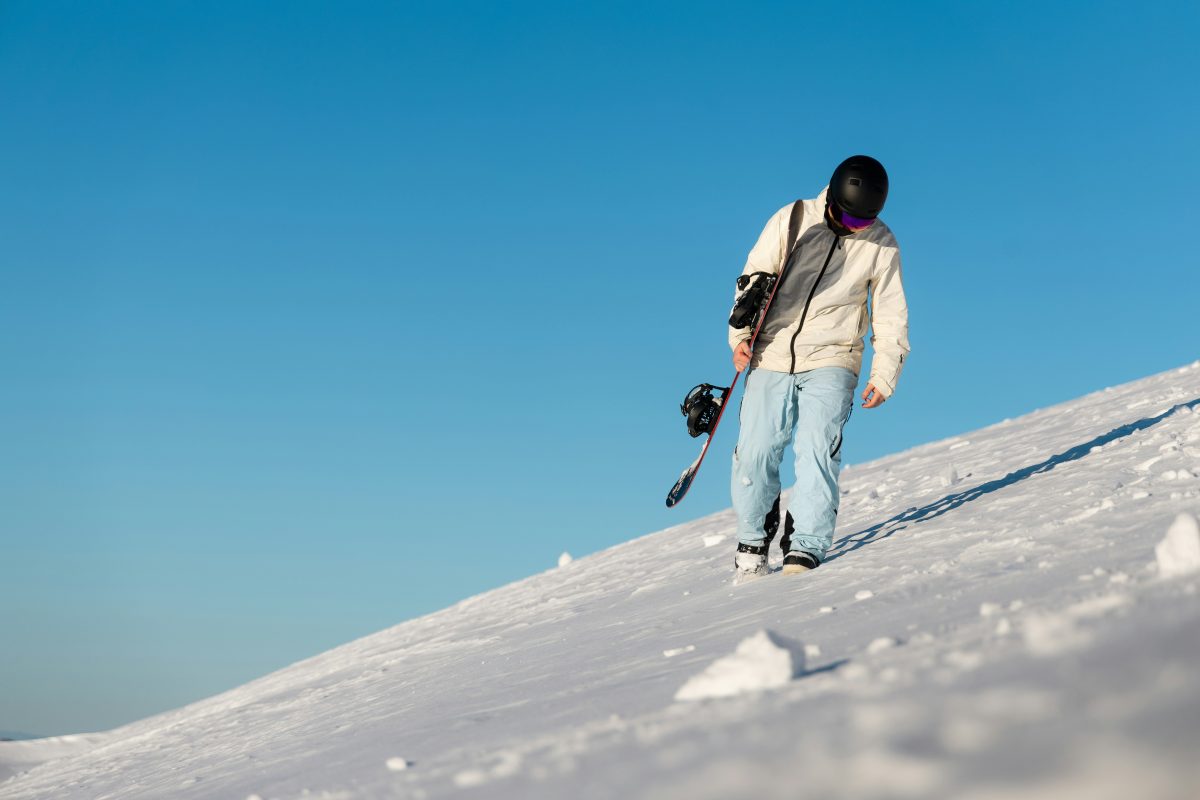
In the journey of a snowboarder, progressing from basic linked turns to dynamic, high-speed carving and technical terrain navigation is notoriously challenging. This phase—widely known as the “intermediate plateau”—is where many riders feel stuck. Often, the issue isn’t a lack of technique, but rather gear that has been outgrown.
Understanding the specific pain points of advancing riders reveals exactly what kind of snowboard technology is required to push past these boundaries.
The Challenge: As riders begin to experiment with steeper angles and quicker edge-to-edge transitions, the fear of “catching an edge” becomes a major psychological and physical barrier. Traditional, aggressive camber boards can be unforgiving for those still refining their weight distribution.
The Tech Solution: To combat this, modern snowboard engineering relies on Hybrid Rocker-Camber Profiles. By positioning camber directly under the feet for necessary edge hold and pop, while incorporating a subtle rocker toward the tip and tail, the board becomes significantly more forgiving. This elevated contact point allows for smoother turn initiation and effortless float, enabling riders to push their limits without the constant fear of a hard fall.
The Challenge: Intermediate riders pushing their speed often encounter “chatter”—intense vibrations traveling up the board that lead to a loss of edge grip and severe foot fatigue. Boards built for beginners are often too soft torsionally to handle these forces.
The Tech Solution: Overcoming high-speed instability requires strategic Torsional Stiffness and Vibration Dampening. Integrating multi-axis fiberglass layups (such as triax glass) provides the necessary torsional rigidity to hold a carved line on hardpack. Additionally, incorporating premium dampening materials along the sidewalls and under the binding inserts absorbs kinetic energy before it reaches the rider. The result is a damp, predictable ride that inspires confidence at terminal velocity.
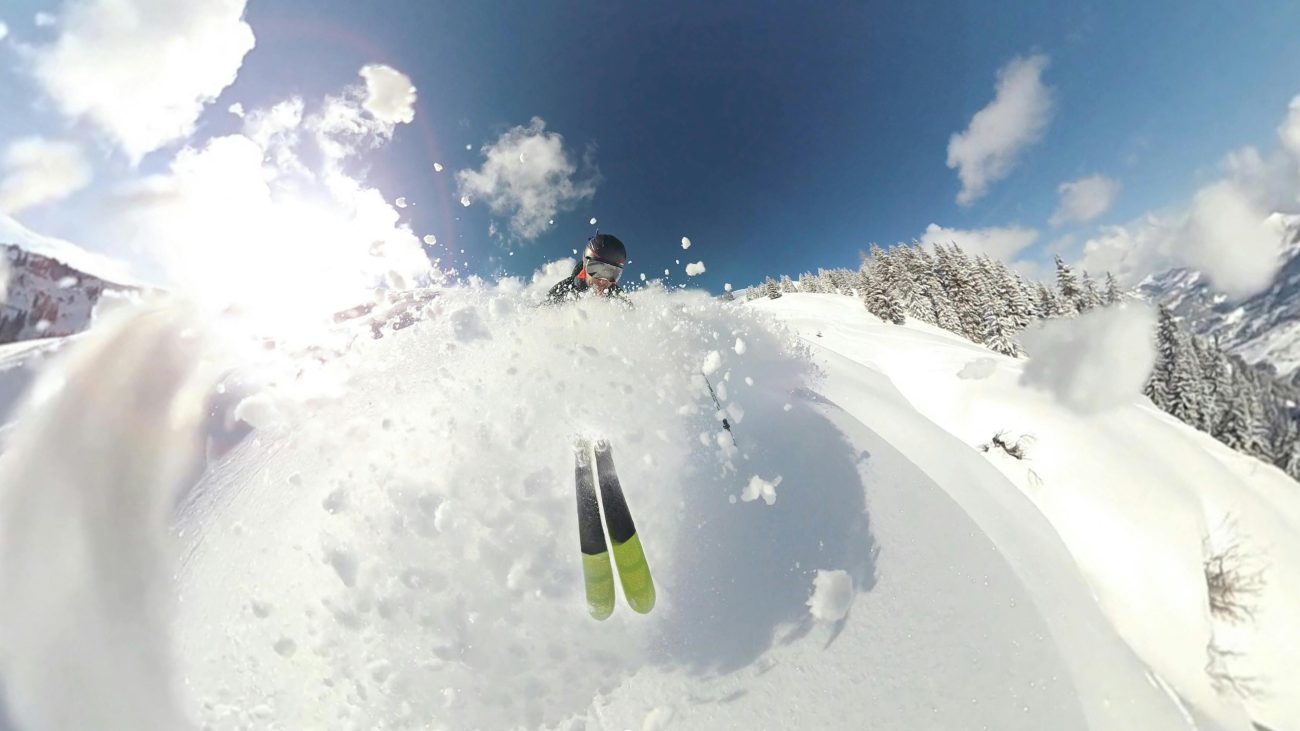
The Challenge: Advancing means leaving the groomed runs for powder stashes, uneven terrain, and tree runs. Maneuvering through mixed conditions demands quick pivots, which can quickly exhaust a rider’s back leg if the board is heavy or improperly balanced.
The Tech Solution: The answer lies in Targeted Core Profiling and Lightweight Materials. Precision-milled wood cores that are thinner between the bindings and thicker underfoot create a board that flexes naturally with the rider’s biomechanics. By reducing swing weight in the tip and tail, the board becomes nimble and effortless to pivot, drastically reducing fatigue and allowing for longer, more aggressive sessions on the mountain.
Designing snowboards that genuinely help riders progress requires more than just assembling materials; it demands a deep understanding of snowsports biomechanics and relentless testing.
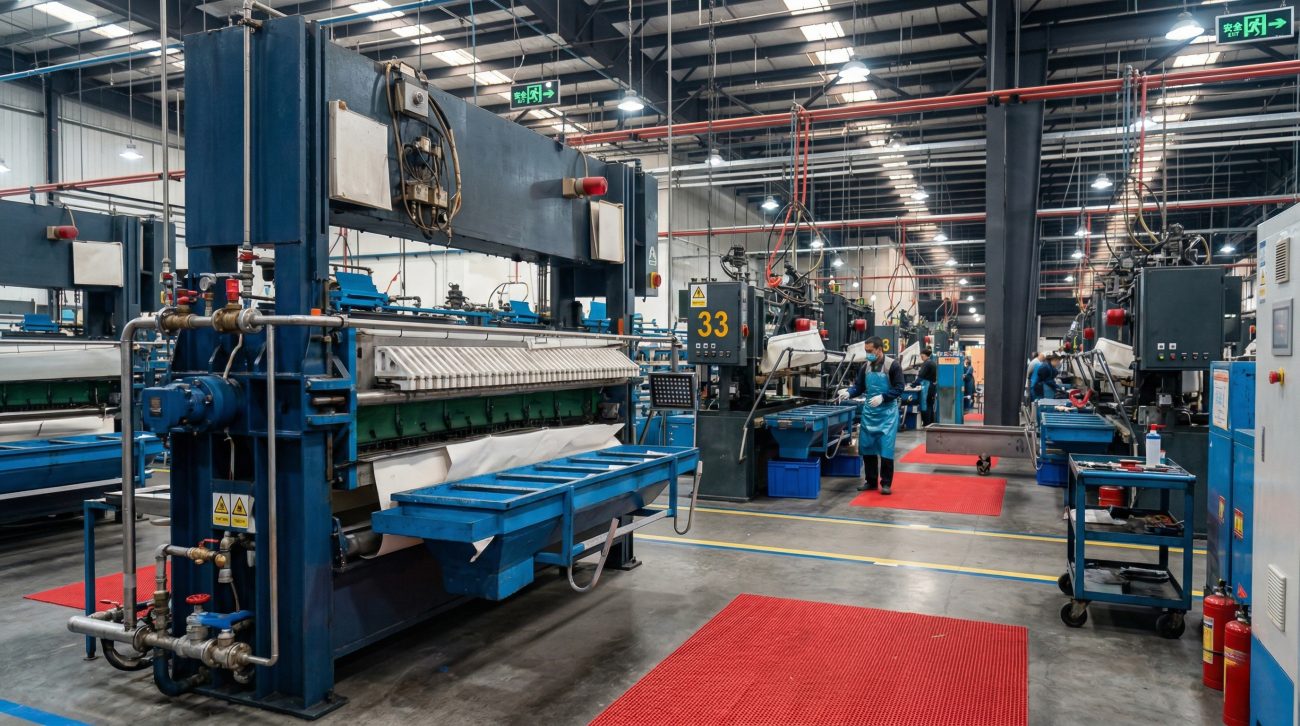
With 12 years of dedicated manufacturing expertise and a legacy of Olympic-partnered engineering, S1 Outdoor integrates these advanced progression solutions into every board design. The focus remains on utilizing premium core materials, meticulous flex profiling, and innovative edge technologies to solve real-world riding challenges.
When equipment is engineered to eliminate the specific hurdles of the intermediate plateau, it doesn’t just improve a single run—it transforms the entire riding experience. Providing gear that actively accelerates progression is the ultimate way to build enduring trust and authority within the snowboarding community.
Explore the technology that drives performance.