(+86)0631-5986797

info@s1outdoor.com

Online casino oyunlarında yüksek RTP oranları sunan bettilt kazandırıyor.
Bahis tutkunları için ideal bir ortam yaratan bettilt herkes için uygundur.
Kazancını artırmak isteyen oyuncular bettilt fırsatlarını değerlendiriyor.
Curacao Gaming Authority 2024 verilerine göre, lisanslı platformların yıllık denetim uyum oranı %98,6’dır; bu oran bettilt giriş için de geçerlidir.
Kullanıcı dostu yapısıyla her yaş grubuna hitap eden bettilt kolay kullanım sağlar.

While the initial aesthetic and profile of a snowboard often dominate the conversation, the true testament to a board’s engineering is revealed through its maintenance cycle. For equipment operators, fleet managers, and serious snowboard curators, understanding the relationship between board construction and maintenance is critical to maximizing equipment lifespan and minimizing overhead.
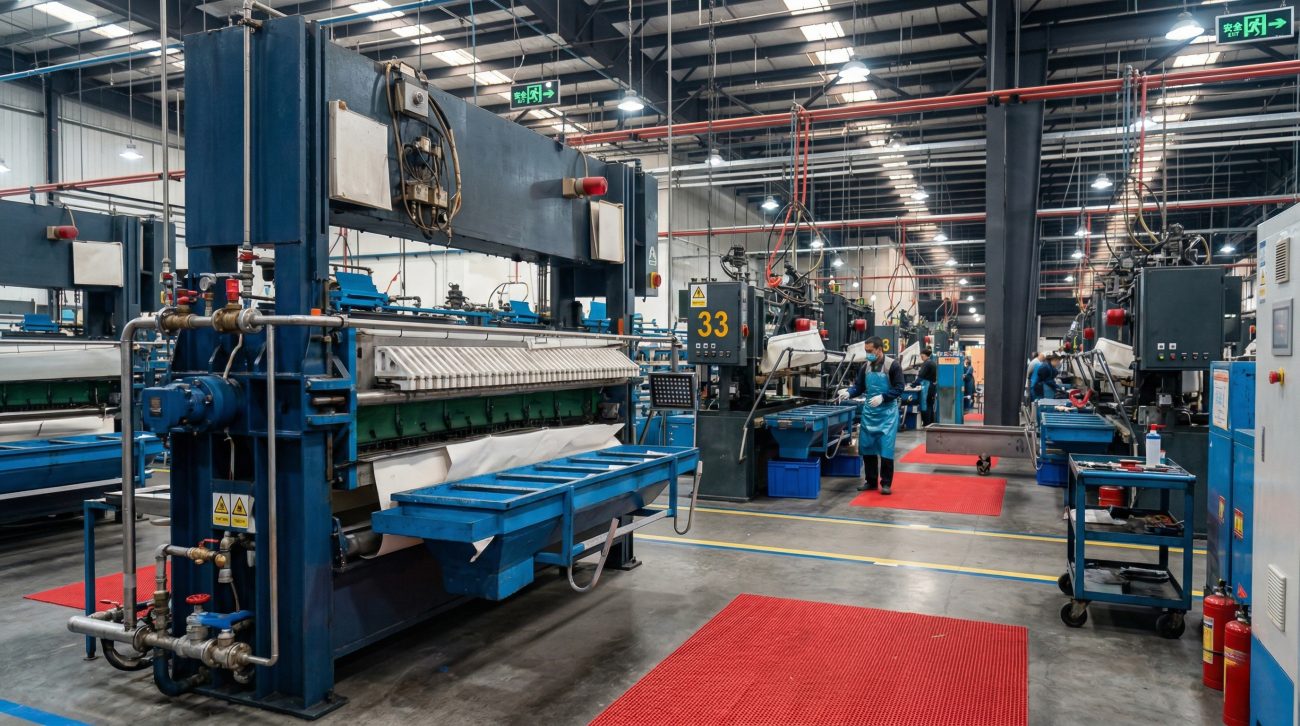
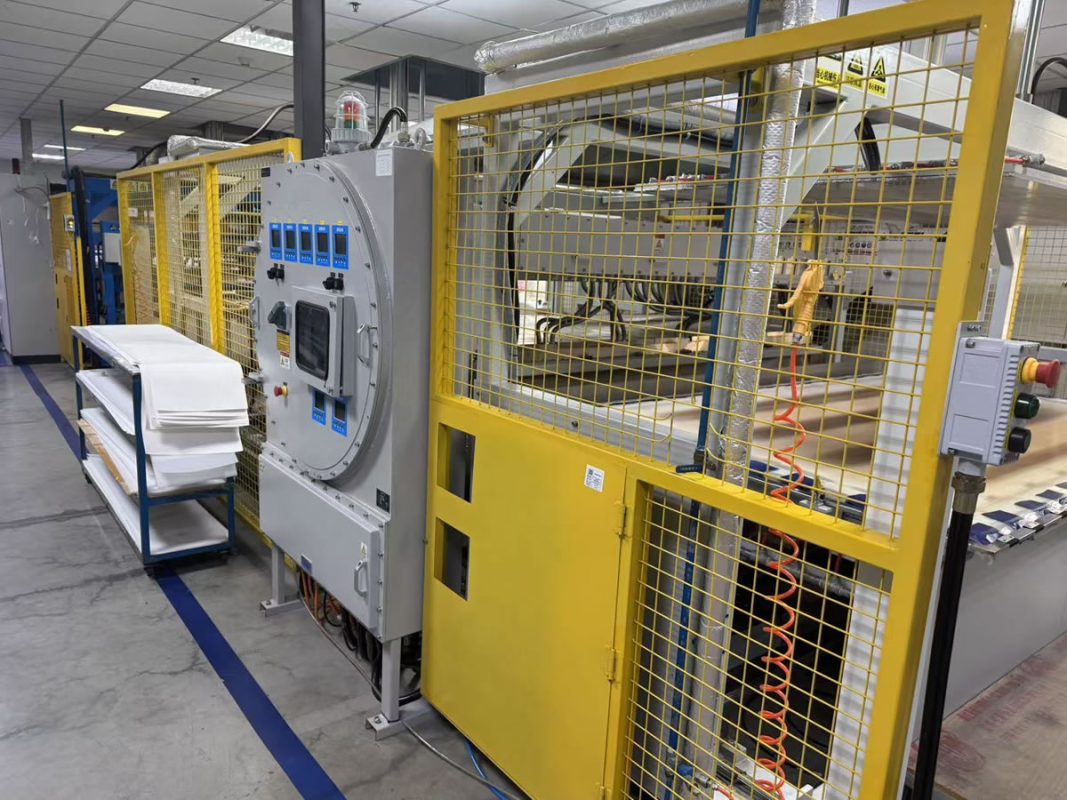
Drawing from advanced manufacturing principles, we look beyond basic tuning to explore how material science dictates the longevity and performance retention of a snowboard over hundreds of days on the mountain.
Common maintenance guides recommend waxing every few days, but the efficacy of that wax job depends entirely on the base material’s molecular structure.
Not all P-Tex (polyethylene) is created equal. When a snowboard undergoes hot waxing, the heat expands the amorphous zones within the base material, allowing wax to penetrate.
Extruded Bases have a tighter, less porous structure. They require less frequent waxing and are easier to repair if core shots occur, making them highly resilient for high-traffic environments.
Sintered Bases are manufactured by compressing polyethylene powder under immense pressure. This creates a highly porous surface capable of absorbing significant amounts of wax. While they demand more rigorous maintenance schedules, their superior glide in diverse snow conditions is unmatched.
Understanding this molecular difference allows for optimized maintenance schedules. By selecting the right base density for the right environment, the frequency of necessary maintenance can be drastically reduced without sacrificing glide.
Edge tuning is a standard procedure, but repeated passes with files and diamond stones gradually reduce the steel’s volume. A critical, often overlooked pain point is the intersection between the steel edge and the sidewall.
During the manufacturing process, if the edge is not seamlessly integrated and bonded to the core and sidewall, repeated tuning can lead to micro-vibrations and eventually, delamination. High-quality construction involves wrapping the edge deeply into the board’s structure and utilizing premium, impact-resistant sidewall materials (such as high-grade ABS or urethane). This ensures that even after multiple aggressive edge grinds—to reset a 1-degree base bevel and 2-degree side bevel—the structural integrity of the board remains uncompromised, preventing water ingress and core rot.
Proper storage is frequently reduced to “keep it in a dry place.” However, from an engineering perspective, long-term storage is about mitigating structural fatigue and preserving “camber memory.”
A snowboard’s core—whether vertically laminated wood or enhanced with carbon stringers—is designed to store and release kinetic energy. If a board is stored under tension (such as being tightly strapped to a rack or leaning heavily against a wall) in environments with fluctuating temperatures, the core materials can suffer from creep—a slow, progressive deformation. Advanced manufacturing techniques utilize specific resin curing processes to lock in the board’s profile, but storing boards flat, in climate-controlled environments, is essential to ensure the camber or rocker profile performs precisely as intended season after season.
The ease of maintaining a snowboard is built into the board long before it hits the snow. At S1 Outdoor, our engineering philosophy ensures that maintenance is a refinement process, not a rescue mission.
12 Years of Manufacturing Excellence: Over a decade of specialized experience in snowboard production allows us to anticipate structural wear and engineer preemptive durability into every board.
Advanced Material Integration: We utilize premium base materials, high-density polyethylene structural components, and superior resins that hold wax longer and resist delamination under aggressive tuning.
Precision Edge Bonding: Our manufacturing tolerances ensure seamless edge-to-sidewall transitions, protecting the core from moisture and significantly extending the board’s viable lifespan.
Performance Consistency: Built with rigorous quality control, our boards are designed to maintain their exact camber profiles and flex patterns, delivering a day-one feel even after seasons of rigorous use.
Discover how precision engineering translates to unparalleled durability.
Explore the technology behind our boards at s1outdoor.com.
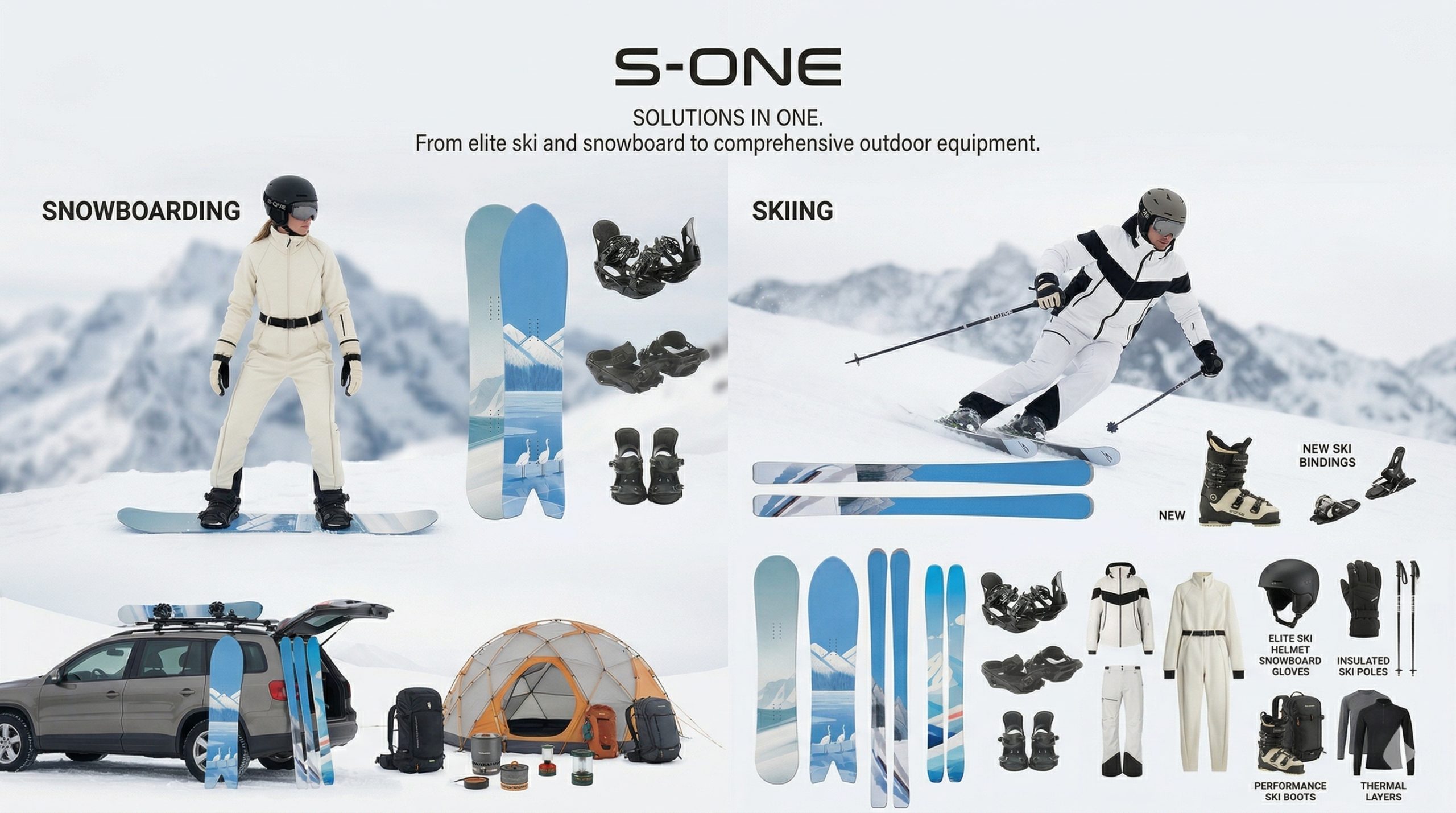
Your single destination for elite winter sports gear and comprehensive outdoor adventure equipment.