(+86)0631-5986797

info@s1outdoor.com

Online casino oyunlarında yüksek RTP oranları sunan bettilt kazandırıyor.
Bahis tutkunları için ideal bir ortam yaratan bettilt herkes için uygundur.
Kazancını artırmak isteyen oyuncular bettilt fırsatlarını değerlendiriyor.
Curacao Gaming Authority 2024 verilerine göre, lisanslı platformların yıllık denetim uyum oranı %98,6’dır; bu oran bettilt giriş için de geçerlidir.
Kullanıcı dostu yapısıyla her yaş grubuna hitap eden bettilt kolay kullanım sağlar.
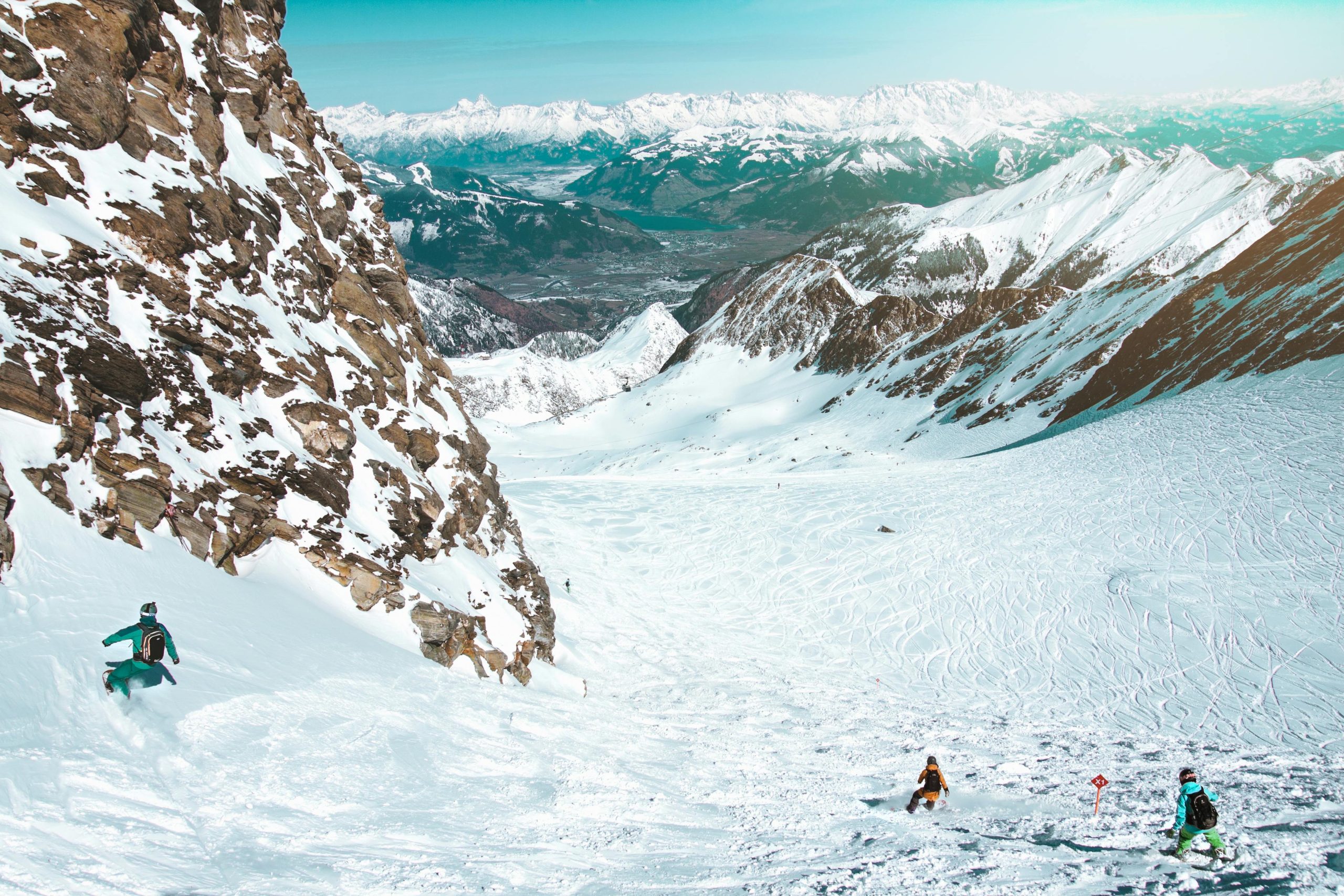
Every great snowboard starts with a feeling. The vision is usually clear: a park board with “explosive pop,” a freeride machine with “effortless powder float,” or an all-mountain daily driver that feels “forgiving yet responsive.”
But there is often a massive gap between a conceptual “ride feel” and the realities of the factory floor.
How do you translate a descriptive feeling into actionable manufacturing specifications?
It requires more than just submitting a blueprint; it requires a manufacturing partner capable of bridging the gap between design intent and physical physics. Here is how advanced integrated manufacturing translates the most sought-after riding characteristics into reality.
In snowboard culture, “pop” is the holy grail for park and freestyle riding. While traditional knowledge dictates that a camber profile provides the most energy return, creating the perfect pop requires precise material alchemy.
Core Profiling down to the Millimeter: Pop isn’t just about the wood species; it’s about where the wood is thinnest and thickest. By micro-milling the wood core between the bindings, a natural flex point is created that acts like a springboard, storing energy before a jump.
Strategic Carbon Placement: Instead of just throwing carbon fiber into the mix, it’s about geometry. Placing carbon stringers in a “V” shape radiating from the bindings to the contact points translates downward force directly into the tip and tail, resulting in that snappy, explosive feedback without making the board overly stiff.
The Resin Ratio: The type and ratio of epoxy resin used to bond the fiberglass and core heavily impact the board’s “snap.” A perfectly balanced resin application ensures the board feels lively, rather than dead or heavy underfoot.
When designing for powder and freeride terrain, the goal is “float” and “surf-like maneuverability.” This goes far beyond simply adding a rocker profile to the nose.
Rocker Transition Zones: The exact millimeter where the camber transitions into the rocker determines how the board initiates a turn in deep snow. A precisely calculated transition zone prevents the dreaded “nose dive” while maintaining edge hold on hardpack.
Torsional Flex Engineering: To achieve a fluid, surf-like feeling, the board needs the right torsional (twisting) flex. Using Biaxial fiberglass (fibers woven at 0° and 90°) allows the board to twist naturally with subtle ankle movements, making it highly forgiving. Conversely, for a more aggressive, locked-in carve, that translates into Triaxial fiberglass (woven at 0°, +45°, and -45°) for maximum torsional stiffness.
Flex ratings (usually 1 to 10) are great for communicating with end-users, but in manufacturing, flex is a highly complex matrix. A board that is too stiff feels like a plank; a board that is too soft washes out at high speeds.
To achieve the “Goldilocks” flex—just right for the intended terrain—requires the strategic integration of varied density materials. For instance, blending lightweight Paulownia wood with dense Poplar strips along the edges provides a soft, playful center combined with robust, impact-resistant rails.
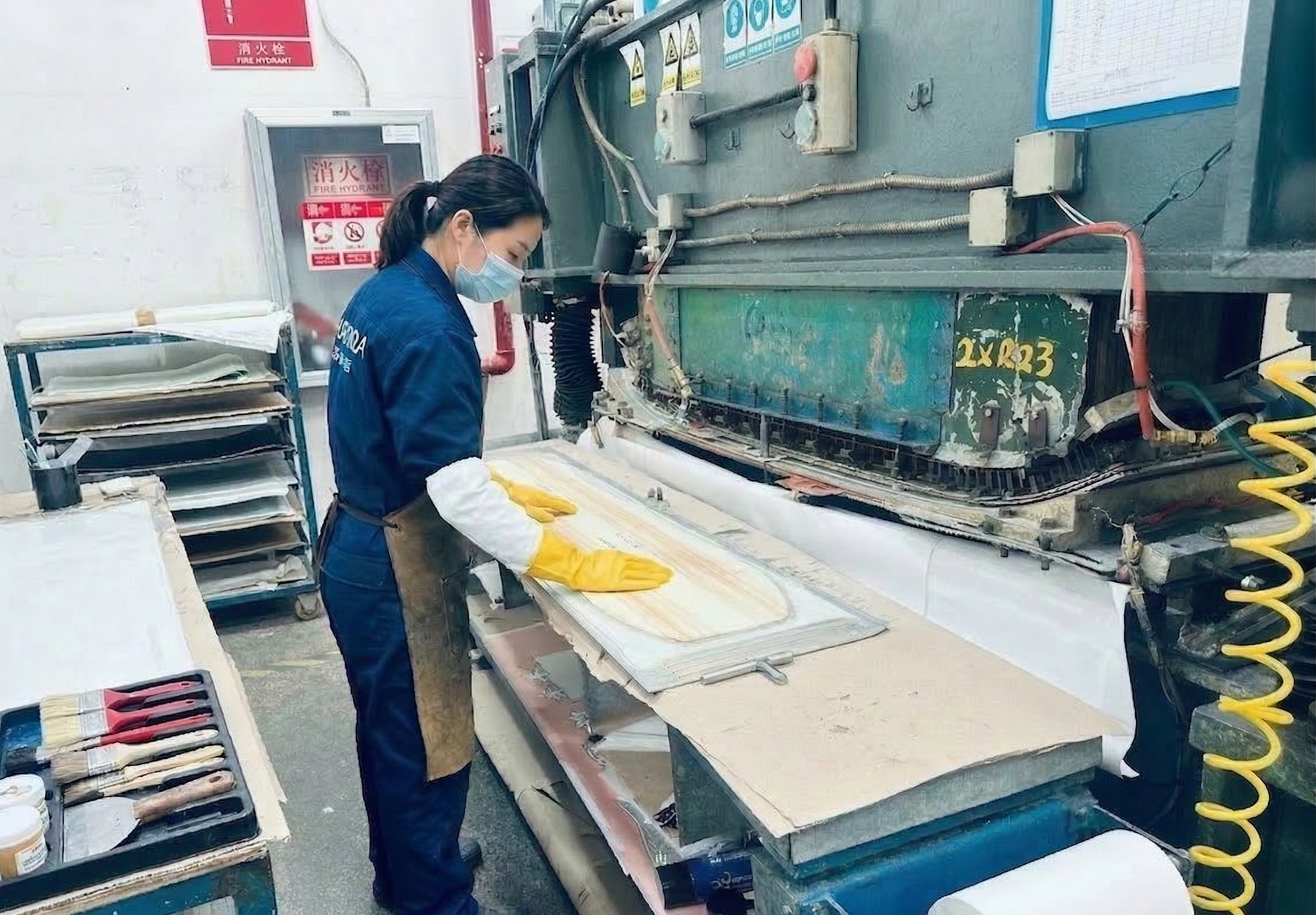
Many projects struggle when working with traditional production lines because a tech pack cannot fully convey a “feeling.” If a request calls for a “playful but stable” board, a conventional facility might simply guess the specs based on past templates.
This is where an integrated manufacturing approach fundamentally changes the outcome.
At S1, we don’t just execute blueprints; we act as the translator for the board’s original vision. Backed by 12 years of deep-rooted experience in snowboard manufacturing, our engineering team speaks both the language of the rider and the language of the machine.
When the requirement is “stronger park pop,” we immediately translate that into precise carbon arrays, specific fiberglass weaves, and custom camber arc radii. We deliver fully realized solutions, ensuring that the board hitting the snow feels exactly the way it was envisioned on day one.
Bringing a new snowboard concept to life? Let’s talk about the engineering behind the ride.